| Titel |
|
|
|
Business In Transition Network
https://businessintransition.sites.uu.nl
|
|
|
|
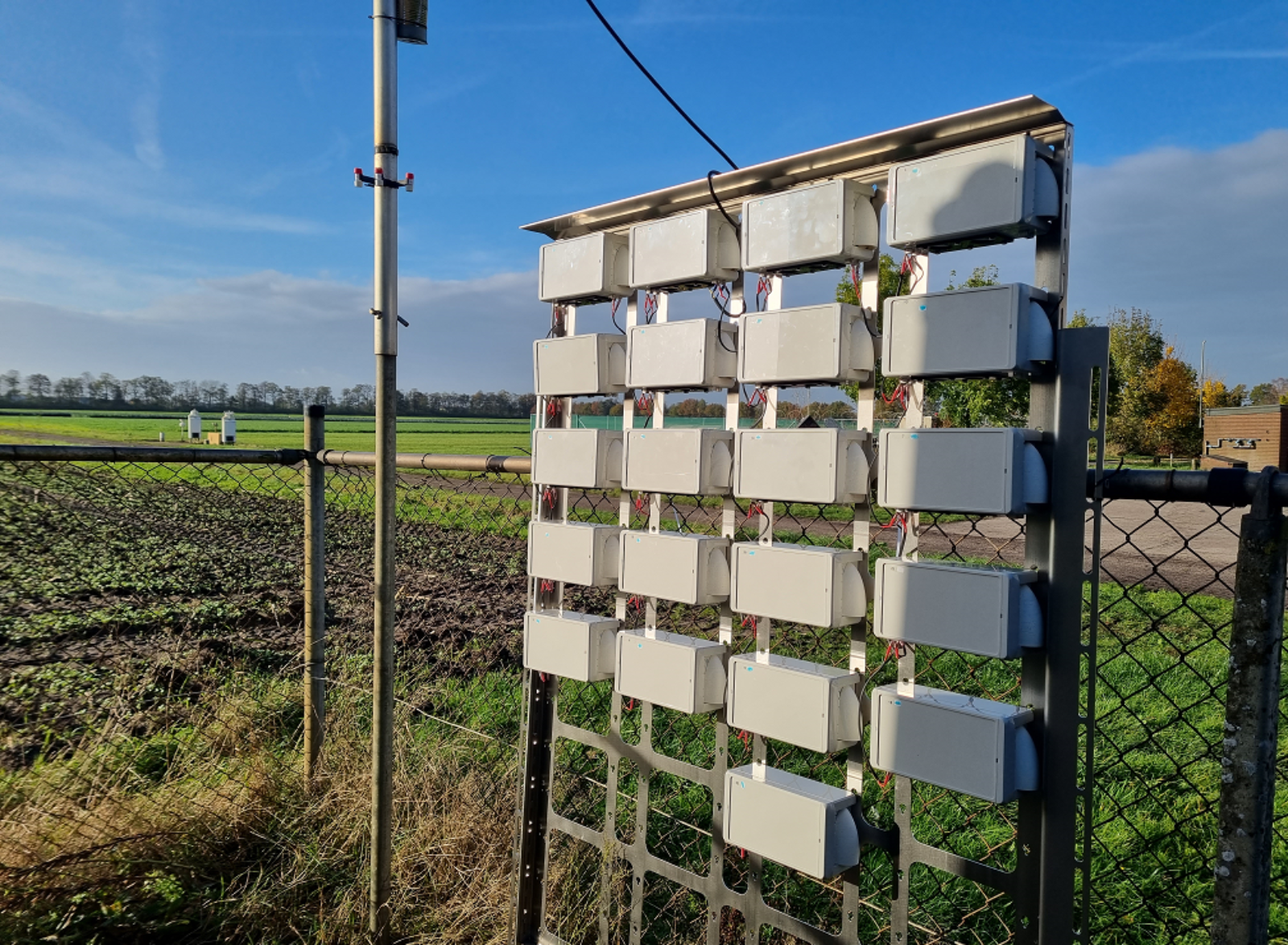
Utrecht Photovoltaic Outdoor Test facility
https://upot.sites.uu.nl
|
|
|
|
dem4bipv
https://dem4bipv.sites.uu.nl
|
|
|
|
History and Philosophy of Physics in the Netherlands
Collected information about academic history, philosophy and foundations of physics taking place in the Netherlands: research, courses, scholars, events and jobs.
https://hpp-nl.sites.uu.nl
|
Research
|
Faculty of Science
|
|
FSBS Network for Qualitative Research
https://fsbsnetworkqualres.sites.uu.nl
|
|
Faculty of Social and Behavioural Sciences
|
|
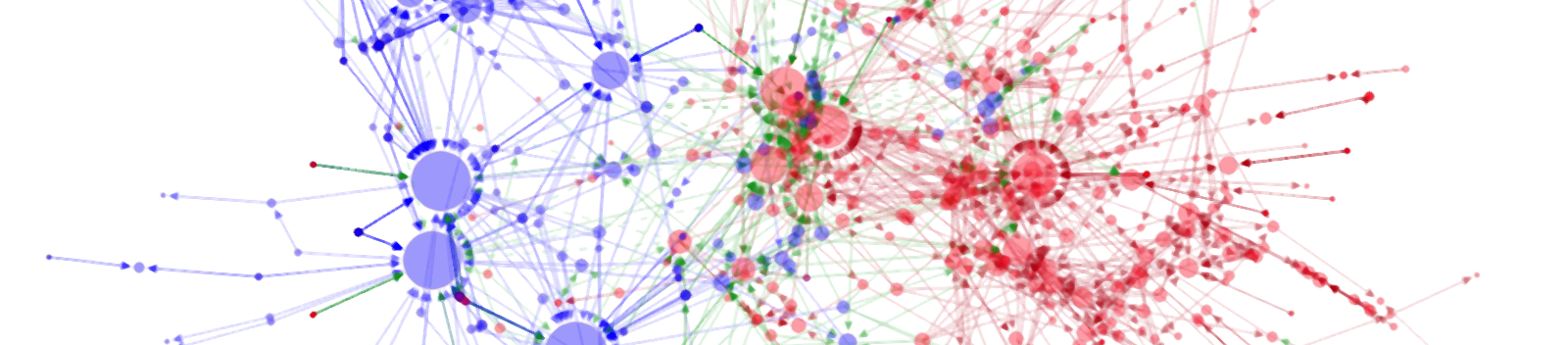
DUALNETS - Bridges in social networks: Harnessing dual identity to improve interethnic relations
https://dualnets.com
|
Research
|
Faculty of Social and Behavioural Sciences
|
DATA ALLY: Agency, Logics, LegitimacY of business-to-government data sharing for societal challenges
https://data-ally.sites.uu.nl
|
Research
|
Faculty of Geosciences
|
FSBS Privacy & Data Management
https://privacy-fss.sites.uu.nl
|
|
Faculty of Social and Behavioural Sciences
|
Breaking down barriers
https://seek.sites.uu.nl
|
|
Faculty of Social and Behavioural Sciences
|
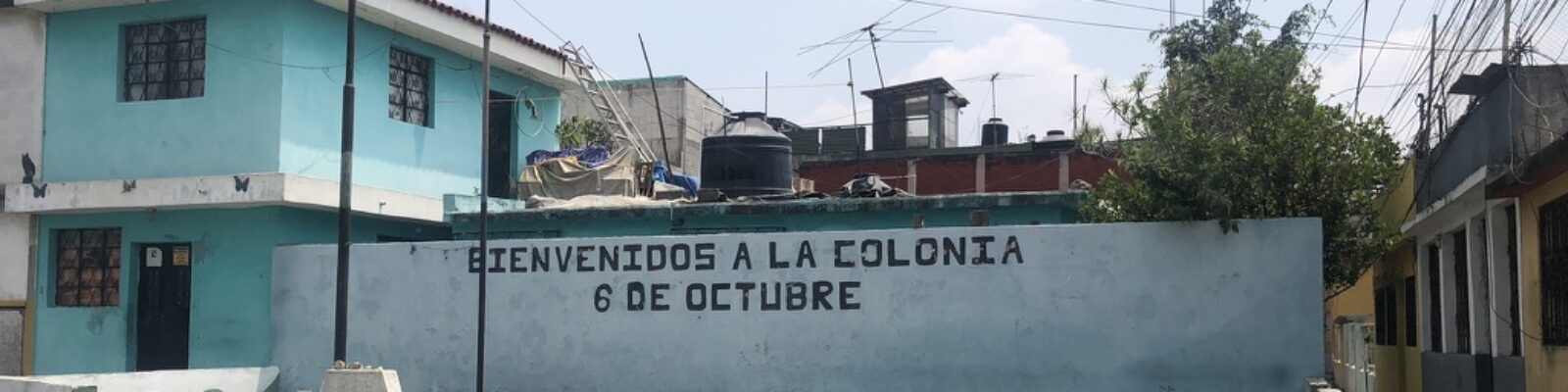
Grass Roots Resilience, Security Governance, and Urbanism in Latin American Violent Cities
https://resilience.sites.uu.nl
|
|
Faculty of Social and Behavioural Sciences
|
Anticiplay
https://anticiplay.sites.uu.nl
|
Research
|
Faculty of Geosciences
|
WELCOME
https://welcome.sites.uu.nl
|
Research
|
Faculty of Geosciences
|
REWIRE - Leveraging new collaborations for circular agriculture missions
https://rewire.sites.uu.nl
|
Research
|
Faculty of Geosciences
|
Poetry in the Age of Global English
https://poetry.sites.uu.nl
|
|
|
|
Gameresearch.nl
https://gameresearch.nl
|
|
|
https://affectivearchives.sites.uu.nl
|
Research | Information
|
Faculty of Science
|
|
Development & Cultural Diversity
https://dcd.sites.uu.nl
|
|
Faculty of Social and Behavioural Sciences
|
Voices of resistance in and against Dutch empire
https://voicesofresistance.sites.uu.nl
|
|
|
EcoReactEU
https://eco-react-eu.sites.uu.nl
|
|
Faculty of Geosciences
|
Quondensate
https://quondensate.eu
|
Research
|
Other
|
MultiTal3nt
https://multital3nt.nl
|
|
Faculty of Social and Behavioural Sciences
|
Utrecht Data Science Community
https://udsc.sites.uu.nl
|
Information
|
Faculty of Science
|
|
targets-erc
https://targets-erc.eu
|
|
Faculty of Social and Behavioural Sciences
|
fcs-free-copy
Fetal Calf Serum (FCS, also known as Fetal Bovine Serum, or FBS) is a common supplement of animal cell culture media. However, moral and scientific concerns demonstrate the urgency to switch to an FCS-free medium. The FCS-free Database (RRID:SCR_018769), part of the 3Rs Database Programme, provides an overview of FCS-free media for cell-culture.
https://fcs-free-copy.sites.uu.nl
|
Documentation
|
Faculty of Veterinary Medicine
|
|
Castle Meeting
https://castlemeeting.sites.uu.nl
|
|
|
|
duurzaamheidsdidactiek redirect
https://duurzaamheidsdidactiek.sites.uu.nl
|
|
|
The Dutch Clinical NLP Workshop
https://clinicalnlp.nl
|
|
Faculty of Social and Behavioural Sciences
|
Fetal Calf Serum-free Database
Fetal Calf Serum (FCS, also known as Fetal Bovine Serum, or FBS) is a common supplement of animal cell culture media. However, moral and scientific concerns demonstrate the urgency to switch to an FCS-free medium. The FCS-free Database (RRID:SCR_018769), part of the 3Rs Database Programme, provides an overview of FCS-free media for cell-culture.
https://fcs-free.sites.uu.nl
|
Documentation
|
Faculty of Veterinary Medicine
|
WORDING REPAIR
https://wording-repair.sites.uu.nl
|
|
|
WaterScape
https://waterscape.sites.uu.nl
|
Research
|
Faculty of Geosciences
|
A Critical Response to Critical Concepts for the Creative Humanities (Van der Tuin & Verhoeff, 2022)
https://gig2023.sites.uu.nl
|
|
|
|
SASTA: Semi-Automatische SpontaneTaalAnalyse
https://sasta.sites.uu.nl
|
Research
|
Faculty of Humanities
|
|
https://identifying-niches.sites.uu.nl
|
|
|
Interspecies Database
https://interspecies-differences.sites.uu.nl
|
|
|
|
Improvised Music and Decolonisation
https://improdeco.sites.uu.nl
|
|
|
ELS TLS Test
https://els-tls-test.sites.uu.nl
|
|
|
Castle Meeting
https://castlemeeting.org
|
|
|
|
Just Transitions
https://justtransitions.sites.uu.nl
|
|
Faculty of Humanities
|
International Conference on Computational Finance ---ICCF24 --- organised in CWI, Amsterdam, 2-5 April 2024
https://www.iccf24.nl
|
|
Faculty of Science
|
Delta Enigma
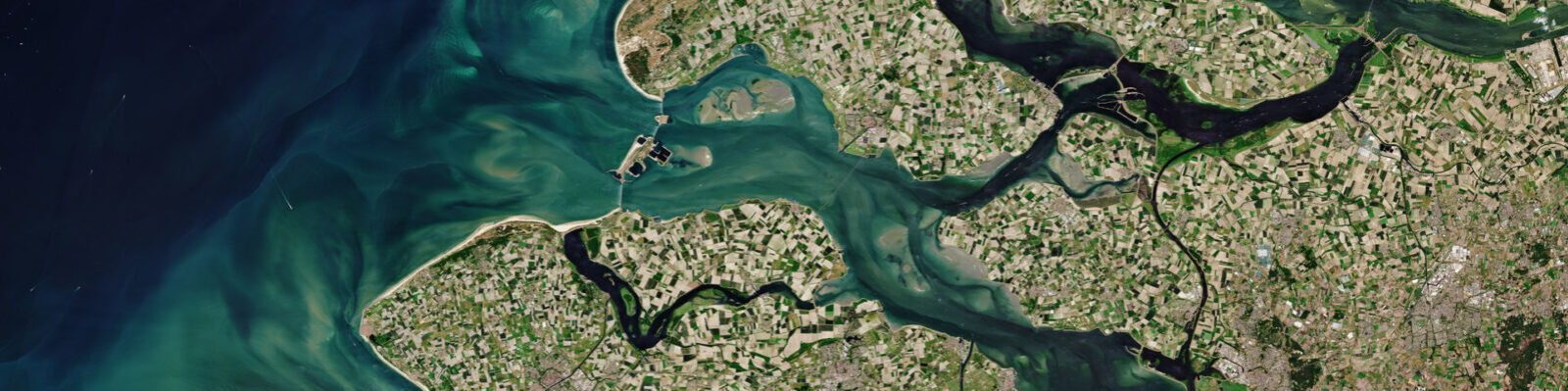
https://delta-enigma.nl
|
Research
|
Faculty of Geosciences
|
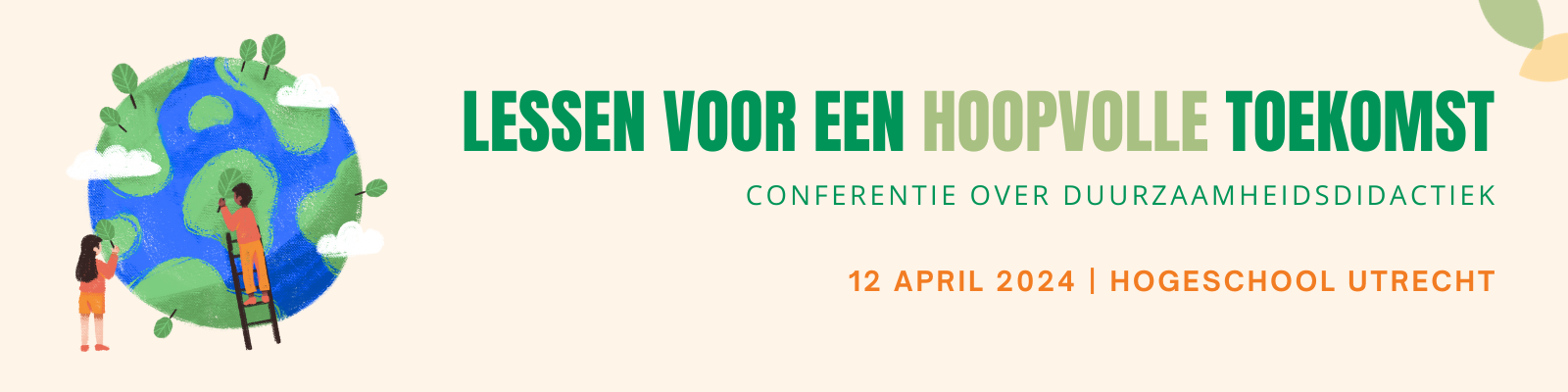
Duurzaamheidsdidactiek
https://duurzaamheidsdidactiek.nl
|
|
Faculty of Science
|
ECCESS
https://eccess.sites.uu.nl
|
Conference
|
Faculty of Social and Behavioural Sciences
|
|
https://bnaic2024.sites.uu.nl
|
Conference
|
Corporate UU | Faculty of Social and Behavioural Sciences
|
|
Computational Linguistics
https://compling.sites.uu.nl
|
|
Faculty of Humanities
|
Teaching and learning collection
This database is a digital place to find and share results and knowledge from educational innovation projects. It also offers you didactic information to develop and innovate your teaching. We hope you will benefit from it! The database will continuously be updated and new content will be added.
https://teaching-and-learning-collection.sites.uu.nl
|
Documentation
|
Corporate UU
|
Utrecht Game Lab
https://gamelab.sites.uu.nl
|
Information
|
Faculty of Humanities
|
peace portal copy
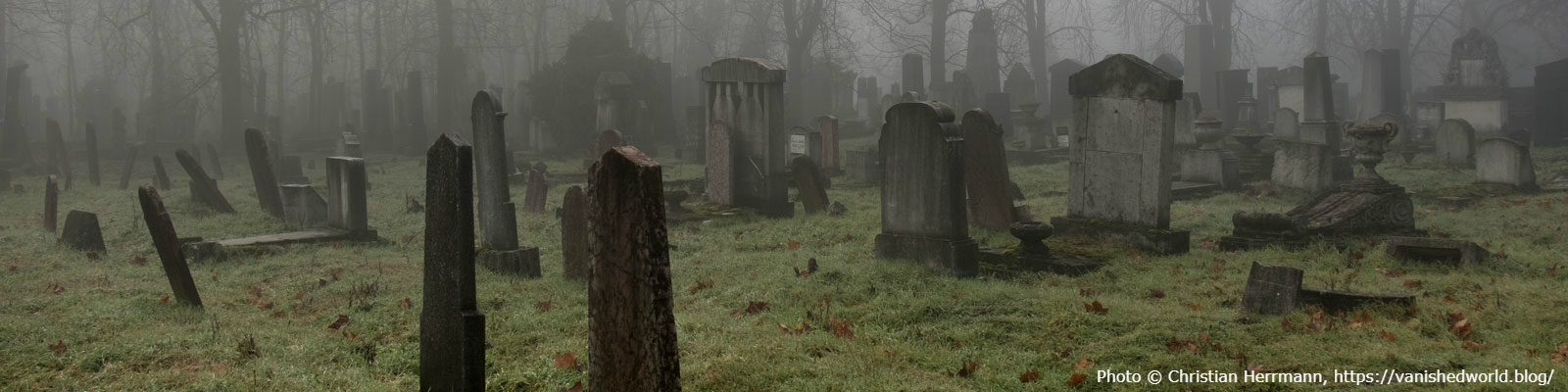
When studying the history of a people one may learn a myriad of details from the ways in which they chose to remember—and consequently immortalize—their dead. These details, best summarized by the term “funerary culture”, are found at the heart of this initiative. Our project focuses on Jewish funerary culture through the ages, and particularly its epigraphical aspects: the inscriptions recorded on stone, plaster, or gold-glass.
https://peace-copy.sites.uu.nl
|
Documentation | Information
|
Faculty of Humanities
|
|
Het FLY-project
https://flyproject.nl
|
|
Faculty of Social and Behavioural Sciences
|
Regels en Authoriteit bij Leerlingen en Leraren (REALL-talk)
https://reall.sites.uu.nl
|
|
Faculty of Social and Behavioural Sciences
|
Membranes, Lipids and Proteins in Organelle Biogenesis - Spetses, Greece 2024
https://spetses2024.sites.uu.nl
|
Conference
|
Faculty of Science
|
Expertisepunt Rekenen-Wiskunde
https://exprw.nl
|
Blog | Information
|
Faculty of Science
|
European Geothermal Workshop 2023
https://egw2023.sites.uu.nl
|
Conference
|
Faculty of Geosciences
|
Research Network for Culture, Law and the Body
https://rnc-lb.sites.uu.nl
|
|
Faculty of Humanities
|
Projects: Geosciences Honours College
https://geohonoursprojects.sites.uu.nl
|
|
Faculty of Geosciences
|
Historicidagen 2024
De Historicidagen 2024 worden van 22 tot en met 24 augustus in Maastricht gehouden, op initiatief van het KNHG in samenwerking met de Universiteit Maastricht. Dit jaar is het thema Ongedisciplineerde Geschiedenis. Drie dagen vol inspirerende lezingen, debatten en workshops over alle mogelijke aspecten van geschiedbeoefening nu, voor alle historici: studenten, docenten, onderzoekers, historici werkzaam in archieven, musea, erfgoed, zzp-ers, kunsthistorici en publiekshistorici.
https://historicidagen.nl
|
Conference
|
Faculty of Humanities
|
|
Centre for Flow cytometry
https://cfc.sites.uu.nl
|
|
Faculty of Veterinary Medicine
|
|
Het effect van PRT op prosodische entrainment in kinderen met een autismespectrumstoornis
https://prt-prosodie.sites.uu.nl
|
|
Faculty of Humanities
|
|
|
|
Faculty of Social and Behavioural Sciences
|
Glossary of Early Modern Popular Print Genres
https://popular-print-glossary.sites.uu.nl
|
|
Corporate UU
|
|
Brainplasticity
https://brainplasticity.sites.uu.nl
|
|
Faculty of Social and Behavioural Sciences
|
Cultures of Adaptation Network (CAN)
https://festay.sites.uu.nl
|
Research
|
Faculty of Geosciences
|
Co-Teach Informatica
Informatica aanbieden zonder vakdocent informatica.
https://co-teach.nl
|
Information
|
Faculty of Science
|
|
Samen Veerkrachtig Ouderschap
https://samenveerkrachtigouderschap.sites.uu.nl
|
|
Faculty of Social and Behavioural Sciences
|
Centre for Digital Humanities
The Centre for Digital Humanities is an interdisciplinary centre for research and education in computational and data-driven methods in the humanities; it consists of three groups:
- Research Software Lab
- Data School
- ILS Labs
These groups are supported by a team of IT specialists, providing a wide range of infrastructure services:
- Humanities IT
Corpora, platforms, tailored advice and a physical workplace for Digital Humanities can be found at:
- Utrecht Library – Digital Humanities Support
https://cdh.uu.nl
|
Research | Blog | Documentation | Information
|
Faculty of Humanities
|
Overlastradardgk
Dit statusoverzicht toont grote storingen, onderhoudswerkzaamheden en bekende problemen rondom universitaire IT voorzieningen.
https://overlastradardgk.sites.uu.nl
|
Documentation
|
Corporate UU
|
Minding the Gap
https://minding-the-gap.sites.uu.nl
|
Research
|
Faculty of Social and Behavioural Sciences
|
RAISE
It is a project funded by the European Union in the Horizon Europe program. This research project aims to understand better to what extent European citizens draw boundaries between ‘us’ and ‘them’ and to what extent they are willing to acknowledge that inequalities are rooted in structural injustice. RAISE is led by a consortium of nine European partners.
https://raise-horizon.eu
|
Research
|
Faculty of Social and Behavioural Sciences
|
SchrijfLab
https://schrijflab.nl
|
Information
|
Faculty of Humanities
|
ArtLab / KunstLab
https://artlab.sites.uu.nl
|
|
Faculty of Humanities
|
LIFEWORK Study
https://lifeworkstudy.sites.uu.nl
|
Research | Information
|
Faculty of Veterinary Medicine
|
|
Simagery
https://simagery.sites.uu.nl
|
|
|
Geosciences Honours College
Deze website biedt nieuws en informatie over het Geo Honours Programme. Deze worden gepost door studenten en docenten verbonden aan het programma.
https://geohonours.sites.uu.nl
|
Information
|
Faculty of Geosciences
|
|
Progic 2023
https://progic2023.sites.uu.nl
|
|
Faculty of Humanities
|
|
Geo-sports
https://geo-sports.sites.uu.nl
|
|
Faculty of Geosciences
|
Nexusing Water, Energy and Food to Increase Resilience in the Cape Town Metropolitan Area
https://nexus.sites.uu.nl
|
Research | Documentation | Information
|
Faculty of Geosciences
|
SoundStart: Prosodic development before birth and in the first three years of life
https://soundstart.sites.uu.nl
|
|
Faculty of Humanities
|
NADIYA collaborative research on circumstances impacting health in displaced people from Ukraine in the Netherlands
https://nadiya.sites.uu.nl
|
|
Faculty of Social and Behavioural Sciences
|
Lettercraft in Early Medieval Europe, 476–751 CE
https://lettercraft.sites.uu.nl
|
|
Faculty of Humanities
|
|
Veterinary Oncology Group - OnGo
https://vetoncology.sites.uu.nl
|
|
|
Weaponization of the Environment Conference 2023
https://weaponizationoftheenvironment2023.sites.uu.nl
|
|
Faculty of Humanities
|
|
THE BE-PREPARED CONSORTIUM
https://be-prepared-consortium.nl
|
Research
|
Faculty of Social and Behavioural Sciences
|
|
jaarverslag-2023-vriendendiergeneeskunde
https://jaarverslag-vriendendiergeneeskunde-2023.sites.uu.nl
|
|
Faculty of Veterinary Medicine
|
ESMEE - Enabling Societal Missions through Entrepreneurial Ecosystems
https://esmee.sites.uu.nl
|
Research
|
Faculty of Geosciences
|
Frans Lees- en Luistermateriaal
https://flluister.sites.uu.nl
|
|
Faculty of Humanities
|
|
Optimal Proofs
https://optimalproofs.sites.uu.nl
|
|
Faculty of Humanities
|
https://ercsynergy-resilience.eu
|
|
Faculty of Geosciences
|
|
Translation Mining
https://translation-mining.sites.uu.nl
|
|
Faculty of Humanities
|
Digiteelt
https://digiteelt.sites.uu.nl
|
|
Faculty of Veterinary Medicine
|
Kansrijk Lesgeven: Interacties in de Klas (KLIK)
https://klik.sites.uu.nl
|
|
Faculty of Social and Behavioural Sciences
|
|
|
Research
|
Faculty of Geosciences
|
Nightingale Studie
https://nightingale-studie.nl
|
Research
|
Faculty of Science
|
Virtual Reality as Empathy Machine: Media, Migration and the Humanitarian Predicament
https://vrmigration.sites.uu.nl
|
Research
|
Faculty of Humanities
|
|
The Missing Entrepreneurs
https://missingentrepreneurs.sites.uu.nl
|
|
Faculty of Humanities
|
Dynamics of Youth community platform
https://doy-community.sites.uu.nl
|
Information
|
Corporate UU | Faculty of Social and Behavioural Sciences
|
|
EDITS Project
https://edits-project.sites.uu.nl
|
Information
|
Faculty of Geosciences
|
Combating Toxicity, Harassment, and Abuse in Online Social Spaces: A Workshop at CHI 2023
https://combatingonlinetoxicity.sites.uu.nl
|
|
Faculty of Science
|
https://horizoneurope-paris.eu
|
|
|
|
International Sustainability Transitions Conference 2023
https://ist2023.nl
|
|
Faculty of Geosciences
|
Platform work – and its regulations (PlatWork-R)
https://platworkr.sites.uu.nl
|
Research
|
Faculty of Geosciences
|
|
Intention & Intervention
https://intervention.sites.uu.nl
|
Research | Blog
|
Faculty of Humanities
|
Combating Toxicity, Hate, and Harassment in Online Games: A Workshop at FDG 2023
https://toxicity-in-games-workshop.com
|
|
Faculty of Science
|
|
Experimental Linguistics Talks
https://elitu.sites.uu.nl
|
|
Faculty of Humanities
|
|
Holocaust Diplomacy: The Global Politics of Memory and Forgetting
After 1945, the memory of the Holocaust made its way into diplomatic exchanges. Mentions of the Holocaust became frequent, both in bilateral and multilateral diplomatic settings. But how and why did this happen, and with what consequences?
This project blends an international history perspective with memory studies approaches to examine the involvement of national, transnational, and international actors in shaping the international politics of Holocaust memory at crucial historical junctures.
Challenging the traditional emphasis of the scholarship on Holocaust memory on ‘methodological nationalism’; and pointing to the silence of works on International Relations regarding the Holocaust and its legacy; this project focuses on a variety of actors and international arenas to analyze the process of Holocaust memory transmission within bilateral and multilateral diplomatic settings.
The project is led by Dr Lorena De Vita, a historian of international relations and global diplomacy and an Assistant Professor at Utrecht University. She wrote her PhD on the onset of German-Israeli reconciliation in the aftermath of the Holocaust at Aberystwyth University (UK) and was awarded, amongst others, a Foreign Ministry Postdoctoral Fellowship at the Hebrew University in Jerusalem (Richard Koebner Minerva Center for the Study of German History). She is the author of Israelpolitik: German-Israeli Relations 1949-1969 published by Manchester University Press in 2020. Within the framework of this project, she analyses how the traumatic past resurfaces in international diplomatic settings and puts a special focus on the second half of the 20th century until the present.
https://holocaust-diplomacy.sites.uu.nl
|
Research
|
Faculty of Humanities
|
Petra-E
PETRA-E aims to set up a European infrastructure for the education and training of literary translators. The first step is to develop a Framework for Literary Translation, based on the experiences of translators and trainers. The Framework will be completed and made available by July 2016.
https://petra-education.eu
|
Documentation | Information
|
Faculty of Humanities | Other
|
International Study Group on the relations between History and Pedagogy of Mathematics
https://hpm.sites.uu.nl
|
|
Faculty of Science
|
Faculteitsraad FSW
https://faculteitsraad.fss.uu.nl
|
|
Faculty of Social and Behavioural Sciences
|
|
|
|
Faculty of Social and Behavioural Sciences
|
CodeTaal
Met CodeTaal kunnen kinderen met een taalontwikkelingsstoornis (TOS) Engels leren op een interactieve manier. De lessen bestaan uit spellen waarbij het Nederlands wordt gebruikt als referentietaal. Op deze manier kunnen leerlingen hun kennis van het Nederlands inzetten als een bouwsteen bij het leren van Engels. Door Engels en Nederlands met elkaar te vergelijken ontwikkelen de leerlingen taalbewustzijn.
https://codetaal.sites.uu.nl
|
|
Faculty of Humanities
|
|
Fort Hoofddijk Manuals
https://fortmanuals.sites.uu.nl
|
|
Faculty of Geosciences
|
Sidrik studie
Het SIDRIK project richt zich op het implementeren van sick day adviezen in de eerstelijns zorg om uitdroging en acute nierschade bij patiënten met een verminderde nierfunctie te voorkomen.
https://sidrik.sites.uu.nl
|
|
Faculty of Science
|
2023 BCCE Annual Conference Utrecht
https://bcce.sites.uu.nl
|
|
Faculty of Law, Economics and Governance
|
JEDi - Juveniles, Equality and Digitalization
https://jedi.sites.uu.nl
|
|
Faculty of Social and Behavioural Sciences
|
Op weg naar Weerbaarheid in Lezen (WiL)
https://wil.sites.uu.nl
|
|
Faculty of Social and Behavioural Sciences
|
NEST-NL
https://nest.sites.uu.nl
|
|
Faculty of Veterinary Medicine
|
|
Ethics Review Board – Faculties of Science and Geosciences
Here you can find more information about the Ethics Review Board of the faculties of Science and Geosciences of Utrecht University.
https://sciencegeo-erb.sites.uu.nl
|
Information
|
Faculty of Science
|
Natural Language and Text Processing Lab
https://nlp.sites.uu.nl
|
|
Faculty of Social and Behavioural Sciences
|
|
Air quality HPT-lab
https://tempenhumhpt.sites.uu.nl
|
|
|
De verrassende Middeleeuwen
https://verrassendemiddeleeuwen.sites.uu.nl
|
|
Faculty of Humanities
|
Interpsy: Psychology, Criminal Interrogation and the Impact of Knowledge, 1880-1940
Website and blog about the project Interpsy: Psychology, Criminal Interrogation and the Impact of Knowledge, 1880-1940
https://interpsy.sites.uu.nl
|
Research | Blog
|
Faculty of Humanities
|
NWA-LOSS
Het onderzoeksprogramma NWA-LOSS (Living on Soft Soils, gefinancierd vanuit de Nationale Wetenschapsagenda) wordt uitgevoerd door een breed consortium van universiteiten, onderzoeksinstituten en maatschappelijke partners in Nederland.
https://nwa-loss.nl
|
Research
|
Faculty of Geosciences
|
Open Research Notebook
https://researchnotes.sites.uu.nl
|
|
Faculty of Science
|
|
Proof-theoretic and algebraic aspects of (intuitionistic) modal logics
https://paaml.sites.uu.nl
|
|
Faculty of Humanities
|
Toezicht met Gezag
Hoe kunnen we publiek gezag van inspecties begrijpen, wat zijn voor publiek gezag bepalende factoren en wat kunnen toezichthouders doen om hun publiek gezag te vergroten?
https://toezichtmetgezag.nl
|
|
Faculty of Law, Economics and Governance
|
Adviesraad gezondheid voor iedereen
https://adviesraad.sites.uu.nl
|
|
Faculty of Social and Behavioural Sciences
|
Natuurkunde Olympiade Junior
https://noj.sites.uu.nl
|
Information
|
Faculty of Science
|
Discovering Europe through Early Modern Literature
https://europe.sites.uu.nl
|
|
Faculty of Humanities
|
Changemaking Journeys
https://changemakingjourneys.uu.nl
|
|
Faculty of Geosciences | Faculty of Science
|
Neurotoxicology
https://neurotoxicology.nl
|
|
Faculty of Veterinary Medicine
|
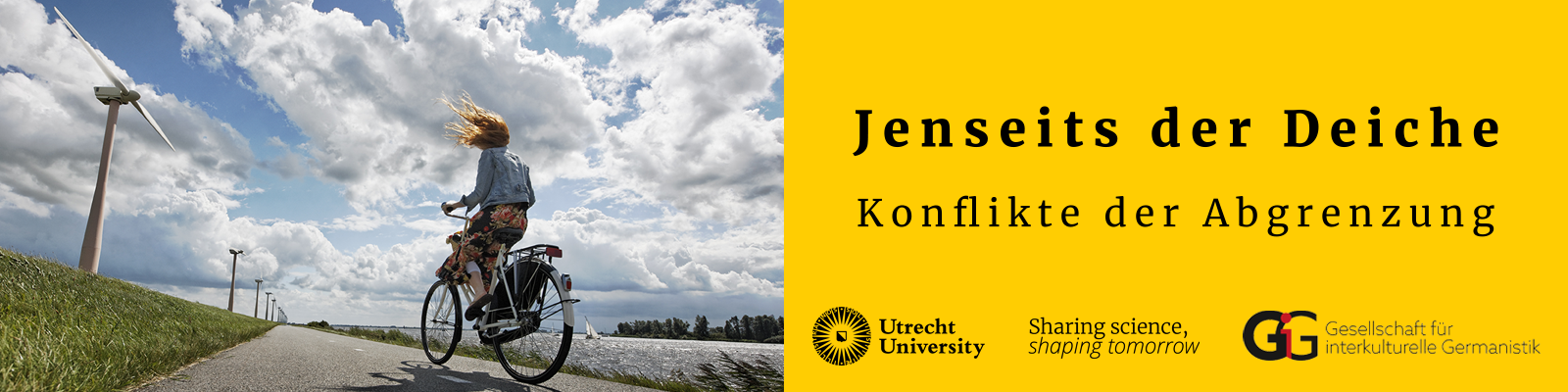
Jenseits der Deiche. Konflikte der Abgrenzung - Utrecht 2023
https://utrechterkonferenz.sites.uu.nl
|
Conference
|
Faculty of Humanities
|
Expertisecentrum Genetica Diergeneeskunde
https://expertisecentrumgeneticadgk.sites.uu.nl
|
|
|
Thevenon Research Group
https://thevenon.sites.uu.nl
|
|
Faculty of Science
|
|
University Colleges
https://universitycolleges.sites.uu.nl
|
|
Faculty of Humanities
|
|
wildlifeandpeople
https://wildlifeandpeople.sites.uu.nl
|
Research
|
Faculty of Geosciences
|
Romeinen aan de Rijnmond
https://romeinenaanderijnmond.sites.uu.nl
|
|
Faculty of Humanities
|
Unsettling Pieces
https://unsettlingpieces.sites.uu.nl
|
|
Faculty of Humanities
|
Onderzoek naar luchtkwaliteit en beleving leefomgeving in agrarisch gebied
https://meetnetzobrabant-veehouderij.sites.uu.nl
|
|
Faculty of Veterinary Medicine
|
|
Professor J.Th.G. Overbeek 1911 - 2007
https://overbeek.sites.uu.nl
|
|
Faculty of Science
|
The Cosmos Project
https://thecosmosproject.org
|
|
Faculty of Medicine | Faculty of Veterinary Medicine
|
|
hybride vergaderen
https://hybride-vergaderen.fss.uu.nl
|
|
Faculty of Social and Behavioural Sciences
|
Workshop on Proofs and Formalization in Logic, Mathematics and Philosophy
https://uwptlp.sites.uu.nl
|
|
Faculty of Humanities
|
Vision Your Voice
https://visionyourvoice.nl
|
|
Faculty of Social and Behavioural Sciences
|
Neerlandistiekdagen 2023
https://neerlandistiekdagen-2023.sites.uu.nl
|
|
Faculty of Humanities
|
Teachers' Guide | Graduate School of Life Sciences
Here you find all information for supervisors and teachers within the Master's domain of the Graduate School of Life Sciences (GSLS).
https://teachersguidegsls.nl
|
Information
|
Faculty of Science
|
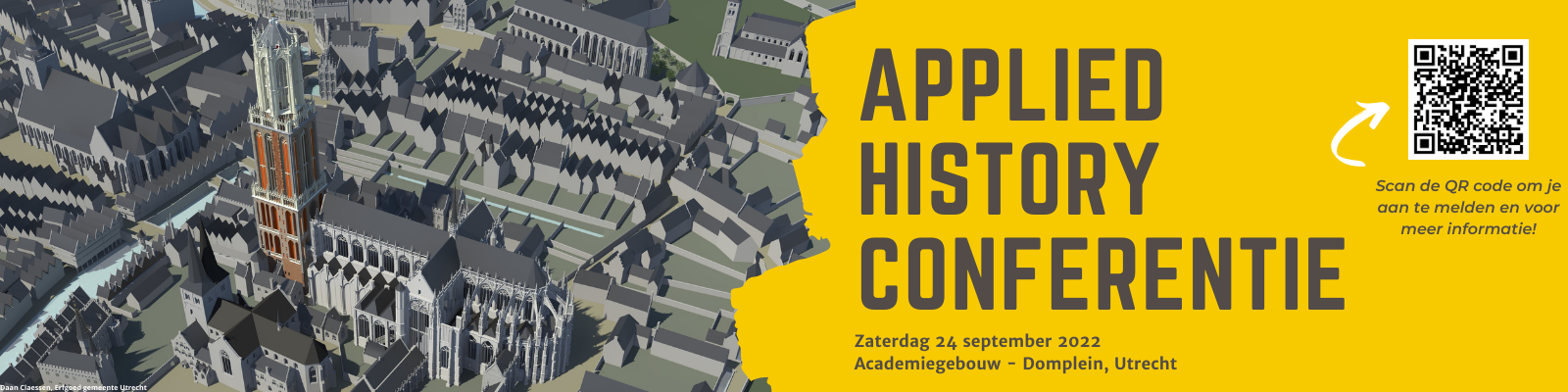
Applied History
Welkom
https://appliedhistory.sites.uu.nl
|
Conference
|
Faculty of Humanities
|
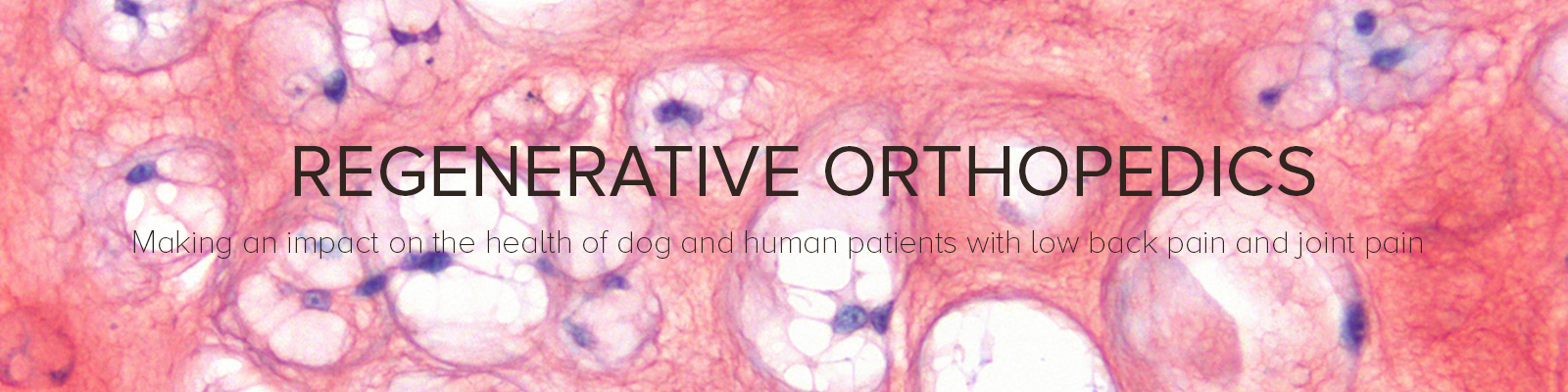
Regenerative Orthopedics
Website of the Regenerative Orthopedics research group at the Faculty of Veterinary Medicine at Utrecht University, the Netherlands. The group is headed by Prof. Marianna Tryfonidou and focusses on musculoskeletal diseases in animals and humans.
https://regenerativeorthopedics.nl
|
Research
|
Corporate UU | Faculty of Veterinary Medicine
|
21st International Conference on Business Process Management
https://bpm2023.sites.uu.nl
|
Conference
|
Faculty of Science
|
Imaginary Utrecht
https://imaginary-utrecht.sites.uu.nl
|
Conference
|
Faculty of Science
|
|
Co-designing a fair digital asylum procedure
https://fairdigitalasylum.sites.uu.nl
|
Research
|
Faculty of Humanities
|
|
Eco Hive UU
https://ecohiveuu.sites.uu.nl
|
|
Faculty of Humanities
|
|
Academy of Hope
https://academyofhope.sites.uu.nl
|
|
Faculty of Geosciences
|
Utrecht Meteorite Lab
https://utrechtmeteoritelab.sites.uu.nl
|
Research
|
Faculty of Geosciences
|
Copernicus Land Change Lab
https://landuse.sites.uu.nl
|
Research
|
Faculty of Geosciences
|
Mission-oriented Innovation Policy Observatory
https://mipo.sites.uu.nl
|
Research
|
Faculty of Geosciences
|
Kennisbank
https://masterclass-di-beleid.sites.uu.nl
|
|
Faculty of Social and Behavioural Sciences
|
|
UU Inclusive Teaching Toolbox
https://uu-inclusive-teaching-toolbox.sites.uu.nl
|
|
Faculty of Social and Behavioural Sciences
|
Blog jeugdstudies
https://blogjeugdstudies.sites.uu.nl
|
Blog
|
Faculty of Social and Behavioural Sciences
|
Special Interest Group on Sustainable Behaviour
https://sustainablebehaviour.sites.uu.nl
|
|
Faculty of Geosciences
|
Debye Institute Projects
https://debye-projects.sites.uu.nl
|
Documentation
|
Faculty of Science
|
Mindingrights
https://www.mindingrights.org
|
|
Faculty of Law, Economics and Governance
|
PIAMA
https://piama.iras.uu.nl
|
|
Faculty of Veterinary Medicine
|
Minorities and Philosophy
https://map.sites.uu.nl
|
|
Faculty of Humanities
|
|
Software Game Projecten
https://softwaregameprojecten.sites.uu.nl
|
|
|
|
Plant science research and education at Utrecht University
https://plants.sites.uu.nl
|
|
Faculty of Medicine | Faculty of Science
|
|
Compositional vector-based semantics for Dutch
https://compositioncalculus.sites.uu.nl
|
|
Faculty of Humanities
|
DURARE
https://durare.sites.uu.nl
|
Research
|
Faculty of Humanities
|
Utrecht Autumn Workshop Proof Theory
https://uswpt.sites.uu.nl
|
|
Faculty of Science
|
Posthumus Conference 2024 (Leeuwarden, 23-24 May)
https://posthumusconference.org
|
|
Faculty of Humanities
|
Boren met Bijl
https://borenmetbijl.nl
|
Blog
|
Faculty of Geosciences
|
FunThinkUU
https://funthinkuu.sites.uu.nl
|
|
Faculty of Science
|
|
Protein Transition
https://www.proteintransition.nl
|
Research
|
Faculty of Geosciences
|
|
Empowering Human Autonomy
https://empowering-human-autonomy.sites.uu.nl
|
|
Faculty of Humanities
|
|
jaarverslag-vriendendiergeneeskunde
https://jaarverslag-vriendendiergeneeskunde.sites.uu.nl
|
|
Faculty of Veterinary Medicine
|
Inclusive Cities and Global Urban Transformation
https://inclusivecities.sites.uu.nl
|
Research
|
Faculty of Geosciences
|
Following Frontiers of the Forest City
https://forestcity.sites.uu.nl
|
Research
|
Faculty of Geosciences
|
|
GeoBaan
https://geobaan.uu.nl
|
Blog | Information
|
Faculty of Geosciences
|
Provinzentjudung: Local Dynamics and the Holocaust in the Netherlands (1925-1950)
https://localholocaust.sites.uu.nl
|
|
Faculty of Humanities
|
|
Skills Earth Sciences
Skills Earth Sciences
https://skillsearthsciences.sites.uu.nl
|
Information
|
Faculty of Geosciences
|
|
Calibrated and in Control
https://calibratedandincontrol.sites.uu.nl
|
|
Faculty of Social and Behavioural Sciences
|
StuKO
https://stuko-project.nl
|
|
Faculty of Social and Behavioural Sciences
|
1st Workshop on Ethical, Social and Environmental Accounting of Conferences: the case of RCIS 2022
https://esea4rcis.sites.uu.nl
|
Conference
|
Faculty of Science
|
|
ACES 2022: The Annual Conference of Experimental Sociology
https://aces2022.sites.uu.nl
|
Conference
|
Faculty of Social and Behavioural Sciences
|
Law and Ethics of Neurotechnology in Criminal Justice (LENC)
https://lenc.sites.uu.nl
|
Research
|
Faculty of Law, Economics and Governance
|
Lili's Proto Lab
Lili’s Proto Lab (LPL) is a place for you to test your creative ideas and materialize them into a working prototype.
https://lilis-protolab.sites.uu.nl
|
Blog
|
Faculty of Science
|
Problemshifting Database
https://database.problemshifting.org
|
Research
|
Faculty of Geosciences
|
Responsible ICT
https://responsibleict.sites.uu.nl
|
Research
|
Faculty of Geosciences
|
|
Amigo
https://amigoproject.nl
|
|
Faculty of Veterinary Medicine
|
|
Data Archive Geo (DAG)
https://dag.sites.uu.nl
|
|
Other
|
|
Datahub SSH
The DataHub SSH programme is a joint initiative by research theme Institutions for Open Societies (IOS) and the Centre for Digital Humanities (CDH), to stimulate the development and deployment of digital research infrastructures. For both IOS and CDH, interdisciplinary research lies at the core of their activities.
https://datahub.sites.uu.nl
|
Research | Documentation | Information
|
Faculty of Humanities
|
|
Solar Geo Engineering Forum
https://solargeoengineeringforum.sites.uu.nl
|
Research
|
Faculty of Geosciences
|
Literature in the Postcolony
https://literatureinthepostcolony.sites.uu.nl
|
Documentation | Information
|
Faculty of Humanities
|
Geo Honours City of the Future
https://cityofthefuture-geohc.sites.uu.nl
|
Research
|
Faculty of Geosciences
|
|
testtest
https://formidabletest.sites.uu.nl
|
|
Corporate UU
|
Collaborative Planning
https://collaborativeplanning.sites.uu.nl
|
Research
|
Faculty of Geosciences
|
|
lespaysbas
Dit is tekst
https://lespaysbas.sites.uu.nl
|
Information
|
Faculty of Science
|
Princetonplein Muziekfestijn
https://princetonpleinmuziekfestijn.sites.uu.nl
|
Information
|
Faculty of Science
|
Het Wonder van Sint-Maarten
https://hetwondervansintmaarten.nl
|
|
Faculty of Humanities
|
|
PhD council
https://geophd.sites.uu.nl
|
|
|
|
anticiplay
https://anticiplay.nl
|
Research
|
Faculty of Geosciences
|
Grote Rekendag
https://groterekendag.sites.uu.nl
|
Blog
|
Faculty of Science
|
Exposoom Panelstudie
https://exposoompanel.nl
|
Research
|
Faculty of Veterinary Medicine
|
IMPACTLAB
https://impactlab.sites.uu.nl
|
|
Faculty of Social and Behavioural Sciences
|
|
Utrecht Parallel Corpus
https://utrechtparallelcorpus.sites.uu.nl
|
|
Faculty of Humanities
|
UCALL Blog
https://ucallblog.sites.uu.nl
|
|
Faculty of Law, Economics and Governance
|
|
Fachdidaktik DaF
https://daf.sites.uu.nl
|
|
Faculty of Humanities
|
COmpeting and COmplementary MObility solutions in urban contexts (COCOMO)
https://cocomo.sites.uu.nl
|
|
Faculty of Geosciences
|
|
Map Your Hero(ine)
Mapping the representation of hero(in)es in fiction and their adaptations.
https://mapyourhero.com
|
Information
|
Faculty of Humanities
|
UU Handleidingen
Handleidingen voor IT diensten van de Universiteit Utrecht die beschikbaar zijn gesteld voor alle medewerkers en studenten.
https://manuals.uu.nl
|
Documentation
|
Corporate UU
|
Save the tiger! Save the Grasslands! Save the Water!
https://savethetiger.nl
|
|
Faculty of Geosciences
|
Mediating Sustainable Cities
https://mediatingsustcities.sites.uu.nl
|
|
Faculty of Humanities
|
TWIN Hemera 2021
https://twin-hemera-2021.sites.uu.nl
|
Research | Blog
|
Faculty of Science
|
|
Geography Data Resources
https://geo-data-resources.sites.uu.nl
|
|
Faculty of Geosciences
|
SIG 5 Learning and Development in Early Childhood Conference 2022
https://earlisig5conference2022.com
|
Conference
|
Faculty of Social and Behavioural Sciences
|
I Belong Here: Supporting First-Generation Students
https://hht.sites.uu.nl
|
Blog
|
Faculty of Social and Behavioural Sciences
|
|
|
Research
|
Faculty of Veterinary Medicine
|
|
Social and Affective Computing
https://sac.sites.uu.nl
|
Research
|
Faculty of Science
|
|
Start Nuu!
https://startnuu.sites.uu.nl
|
|
Faculty of Science | Faculty of Social and Behavioural Sciences
|
Wiskunde OverLeg (WOL)
https://wol.sites.uu.nl
|
Information
|
Faculty of Science
|
Diversity Project HPS
Archive created by the HPS Diversity Committee
https://diversityproject-hps.sites.uu.nl
|
Information
|
Faculty of Science
|
https://geographysoftinnovation.sites.uu.nl
|
Research
|
Faculty of Geosciences
|
|
Select-UU
https://select-uu.sites.uu.nl
|
|
Faculty of Law, Economics and Governance
|
Momentum
https://momentummicroplastics.nl
|
Research
|
Faculty of Science | Other
|
Stagebank master Neuropsychology
https://stagebank-np.sites.uu.nl
|
|
Faculty of Medicine | Faculty of Social and Behavioural Sciences
|
An Interactive Guide to Chaos for Dummies
https://chaos101.sites.uu.nl
|
|
Faculty of Humanities
|
Decolonizing Sustainability Study Group
We study postcolonial structures in global change science, civil society, and governance. Our aim is decolonization of sustainability discourses. Based at Utrecht University - global in scope.
https://decolonizingsustainability.sites.uu.nl
|
Research | Blog | Information
|
Faculty of Geosciences
|
|
Filterbubbel
https://filterbubbel.sites.uu.nl
|
|
Faculty of Social and Behavioural Sciences
|
European Human Exposome Network conference 2021
https://ehen.sites.uu.nl
|
Research
|
Faculty of Veterinary Medicine
|
Restored Flooding for Living Deltas
https://restoredflooding.sites.uu.nl
|
|
Faculty of Geosciences
|
|
RMA History Blog
https://rmahistoryblog.sites.uu.nl
|
|
Other
|
|
Academische Vaardigheden Historici
https://avh.sites.uu.nl
|
|
Faculty of Humanities
|
Migrazioni al plurale
https://migrazionialplurale.sites.uu.nl
|
|
Corporate UU
|
Travel Guide Honours
https://travelguidehonoursgeo.sites.uu.nl
|
Information
|
Faculty of Geosciences
|
Virtual Human Platform for Safety Assessment - VHP4Safety
https://vhp4safety.nl
|
Research
|
Other
|
SMARTneurolab
https://smartneurolab.nl
|
Research
|
Faculty of Social and Behavioural Sciences
|
RiversEstuaries
Research group Biogeomorphology of Rivers and Estuaries
PI Maarten Kleinhans
https://riversestuaries.sites.uu.nl
|
|
Faculty of Geosciences
|
PROBLEMSHIFTING: a research programme on the complex dynamics of problem-shifting in global environmental governance
https://problemshifting.org
|
Research
|
Faculty of Geosciences
|
Teach4Life
https://3c4life.sites.uu.nl
|
Blog
|
Faculty of Science
|
|
Lesungen
https://lesereise.eu
|
Information
|
Faculty of Humanities
|
HIERON: Network for the Study of Greek Sanctuaries
https://hieron.sites.uu.nl
|
|
Faculty of Humanities
|
Upholding Human Rights in a Pandemic: the Social Impact of COVID-19 Measures on Vulnerable Families in Curaçao, Aruba and St. Maarten
https://covidcas.sites.uu.nl
|
Research
|
Faculty of Geosciences
|
New Discoveries Seminar
https://newdiscoveries.sites.uu.nl
|
|
Faculty of Humanities
|
MOIRA 2.0
https://threads-of-life.nl
|
Research
|
Faculty of Science
|
Research School for Economic and Social History
https://posthumusinstitute.org
|
Research | Information
|
Faculty of Humanities
|
Plant-RX
https://plantrx.sites.uu.nl
|
Research
|
Faculty of Science
|
Zaaigeld
https://zaaigeld.sites.uu.nl
|
|
Faculty of Humanities
|
Migrant Belongings
https://migrantbelongings.sites.uu.nl
|
Research
|
Faculty of Humanities
|
Books and the History of Public Science - Digital Exhibition
https://history-science-public.sites.uu.nl
|
|
Faculty of Science
|
Utrecht Forum for Memory Studies
https://utrechtmemorystudies.nl
|
|
Faculty of Humanities
|
Creative Urban Methods
https://crum.sites.uu.nl
|
|
Faculty of Social and Behavioural Sciences
|
Mensen en machines van de toekomst
https://mensmachinetoekomst.sites.uu.nl
|
Information
|
Faculty of Social and Behavioural Sciences
|
Constructing the Limes
Dit project onderzoekt hoe grenzen functioneren en hoe ze historisch zichtbaar worden als culturele en politieke constructies. De focus ligt op de wijze waarop de Romeinse limes in Nederland werd geconstrueerd en fungeerde, van de Romeinse tijd tot nu.
https://c-limes.nl
|
Research
|
Faculty of Humanities
|
Drum Languages Project
https://drumlanguages.sites.uu.nl
|
Research
|
Faculty of Humanities
|
What's next FSW 2022
Explore your future, Connect with alumni @Social and Behavioural Sciences
https://whatsnextfsw.nl
|
Information
|
Faculty of Social and Behavioural Sciences
|
Multi-STEM
https://multistem.net
|
|
Faculty of Social and Behavioural Sciences
|
MOBI-AIR
https://mobi-air.sites.uu.nl
|
|
Faculty of Veterinary Medicine
|
FIRMBACKBONE
FIRMBACKBONE is an organically growing longitudinal data-infrastructure with information on Dutch companies for scientific research and education.
https://firmbackbone.nl
|
Research
|
Faculty of Law, Economics and Governance
|
HS-SEQ
https://hs-sequencing.eu
|
Research
|
Faculty of Science
|
|
Morphology Days in the Low Countries 2021
https://milc2021.sites.uu.nl
|
|
Faculty of Humanities
|
Climate Backlash: Contentious reactions to policy action (BACKLASH)
https://backlashproject.eu
|
Research
|
Faculty of Geosciences
|
|
Prince Claus Chair
https://princeclauschair.nl
|
Information
|
Corporate UU
|
|
Peer Relations Pre-Conference 2021
https://peerpreconference.sites.uu.nl
|
Conference
|
Faculty of Social and Behavioural Sciences
|
Planting Pigments
https://plantingpigments.sites.uu.nl
|
Blog
|
Faculty of Humanities
|
|
Market Revolutionaries: An Interdisciplinary Workshop on Neoliberalism and the Global South
https://marketrevolutionaries.sites.uu.nl
|
|
Faculty of Humanities
|
|
NWD 2024
https://nwd2021.sites.uu.nl
|
Conference
|
Faculty of Science
|
Shaping our action space: A situated perspective on self-control
https://selfcontrol.sites.uu.nl
|
Research
|
Other
|
PyTom: Python and Tomography
https://pytom.sites.uu.nl
|
Research | Documentation
|
Faculty of Science
|
|
ALGOPOL: Research into Value-Sensitive and Transparent Algorithmization in the Police
https://algopol.sites.uu.nl
|
|
Faculty of Law, Economics and Governance
|
Maatjestraject
https://medicatiemaatjes.sites.uu.nl
|
Information
|
Faculty of Science
|
|
Utrecht2040 - Gaming Towards a Sustainable Future
https://utrecht2040.sites.uu.nl
|
Research
|
Faculty of Geosciences
|
SIKS
SIKS is a self-organized and self-financed network organization in which currently over 500 IKS-researchers cooperate, including nearly 250 PhD-students. Representing the vast majority of IKS researchers in the Netherlands, it provides these researchers with a platform for cooperation, information exchange and dissemination of knowledge.
https://siks.nl
|
Information
|
Faculty of Science
|
MI3 : Media Industries, Infrastructures and Institutions
https://mi3.sites.uu.nl
|
|
Faculty of Humanities
|
2022 ESIL Annual Conference, Utrecht
https://esilutrecht2022.sites.uu.nl
|
|
Faculty of Law, Economics and Governance
|
Nederlandse protestliedjes
https://protestliedjes.nl
|
|
Faculty of Humanities
|
Teaching Diverse Youth: Culturally Responsive Teaching
https://culturallyresponsiveteaching.sites.uu.nl
|
|
Faculty of Social and Behavioural Sciences
|
Anders Utrecht
https://andersutrecht.nl
|
|
Faculty of Law, Economics and Governance
|
|
MaaS-TRAINER
https://maas-trainer.nl
|
|
Faculty of Geosciences
|
Susanne K. Langer Circle
https://langercircle.sites.uu.nl
|
|
Faculty of Humanities
|
Sacralizing Security: Religion, Violence and Authority (SACRASEC) ERC Consolidator Project
https://sacrasec.sites.uu.nl
|
|
Faculty of Social and Behavioural Sciences
|
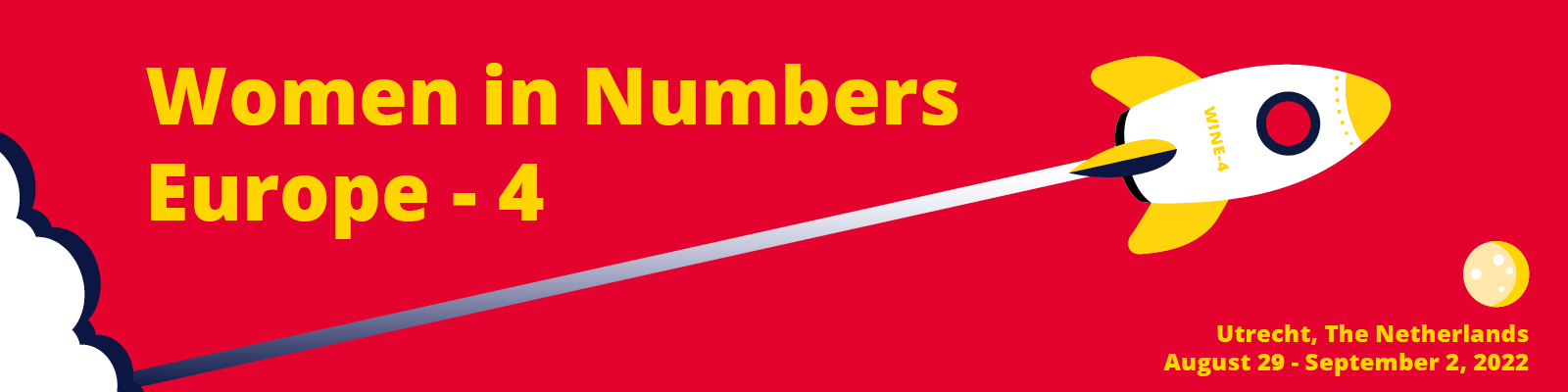
Women in Numbers Europe 4
https://women-in-numbers-europe-4.sites.uu.nl
|
Conference
|
Faculty of Science
|
Liternatuur
https://liternatuur.sites.uu.nl
|
Blog | Information
|
Faculty of Humanities
|
Utrecht Seismology
https://seismologie.sites.uu.nl
|
Research
|
Faculty of Geosciences
|
Tussentijd
https://tussentijd.sites.uu.nl
|
|
Corporate UU
|
The Business Corporation as a Political Actor
https://businesscorporation.sites.uu.nl
|
Research
|
Faculty of Humanities
|
Repertorium
https://repertorium.library.uu.nl
|
Information
|
Other
|
The XVIIth International Congress of Celtic Studies – Utrecht 2023
https://celticstudiescongress.sites.uu.nl
|
Conference
|
Faculty of Humanities
|
Science to Share
Tomorrow through the eyes of today
https://science-communication.sites.uu.nl
|
Blog
|
Faculty of Science
|
|
Student Ethics Review & Registration Site (UU-SER)
https://uu-ser.sites.uu.nl
|
|
Faculty of Social and Behavioural Sciences
|
Cold War Research Network
https://coldwarresearchnetwork.nl
|
Research
|
Faculty of Humanities
|
CARTHAGO ITN
https://itn-carthago.sites.uu.nl
|
Research
|
Other
|
Microbiome Invasion and Transmission of plasmid-mediated Antimicrobial Resistance (MITAR)
Microbiome Invasion and Transmission of plasmid-mediated Antimicrobial Resistance
https://mitar.sites.uu.nl
|
Research | Information
|
Faculty of Veterinary Medicine
|
Online Coaching Center
https://occ.sites.uu.nl
|
|
Faculty of Social and Behavioural Sciences
|
Corona Governance in Urban Margins
https://cgum.sites.uu.nl
|
|
Faculty of Social and Behavioural Sciences
|
Plagiaatdetectie met Ouriginal
https://urkund.sites.uu.nl
|
Documentation
|
Corporate UU
|
Collaborative Governance Case Database
https://collaborativegovernancecasedatabase.sites.uu.nl
|
|
Faculty of Law, Economics and Governance
|
|
Your Skills
https://yourskills.sites.uu.nl
|
|
Faculty of Social and Behavioural Sciences
|
PMI – extra
https://pmi2.sites.uu.nl
|
Information
|
Faculty of Science
|
A-CAPTIC - Alliance of Cold Atmospheric Plasma for the Treatment of Infections and Cancer
https://plasmamedicine.sites.uu.nl
|
|
Faculty of Science
|
A multidisciplinary research and education program on human-centered AI by three leading Dutch institutes
https://human-ai.nl
|
Research
|
Faculty of Social and Behavioural Sciences
|
Honours Twitterchecker
Webiste voor het Honours Reseachr Seminar. Groep 01
https://honours-twitterchecker.sites.uu.nl
|
Information
|
Other
|
Young adults in times of corona
https://youngincoronatimes.sites.uu.nl
|
|
Faculty of Social and Behavioural Sciences
|
10th European Congress of Analytic Philosophy
Website of ECAP10, the 10th congress of the European Society for Analytic Philosophy, hosted by the Department of Philosophy and Religious Studies of Utrecht University.
https://ecap10.sites.uu.nl
|
Conference
|
Faculty of Humanities
|
Motion Vision Research
https://mvr.sites.uu.nl
|
Research
|
Faculty of Social and Behavioural Sciences
|
PEACE – Portal of Epigraphy, Archaeology, Conservation and Education on Jewish Funerary Culture
When studying the history of a people one may learn a myriad of details from the ways in which they chose to remember—and consequently immortalize—their dead. These details, best summarized by the term “funerary culture”, are found at the heart of this initiative. Our project focuses on Jewish funerary culture through the ages, and particularly its epigraphical aspects: the inscriptions recorded on stone, plaster, or gold-glass.
https://peace.sites.uu.nl
|
Documentation | Information
|
Faculty of Humanities
|
23 Things for research data management
https://23things.sites.uu.nl
|
|
Other
|
Alfa4all
https://alfa4all.nl
|
|
Faculty of Social and Behavioural Sciences
|
Human Data Science (HDS)
https://hds.sites.uu.nl
|
|
Faculty of Social and Behavioural Sciences
|
Sacrality and the Greek Polis
https://sanctuaries.sites.uu.nl
|
|
Faculty of Humanities
|
Thematic Interdisciplinary Challenge (TIC)
In de TIC cursus worden studenten en lifelong learners worden uitgedaagd om interdisciplinaire en innovatieve probleemoplossers te worden die bijdragen aan oplossingen voor echte en complexe maatschappelijke problemen.
https://tic-to-tic.sites.uu.nl
|
Information
|
Faculty of Science
|
Expanse project
https://expanseproject.sites.uu.nl
|
Research
|
Faculty of Veterinary Medicine
|
Calibrating Inclusive Sporting Encounters
https://cise.sites.uu.nl
|
Research
|
Faculty of Law, Economics and Governance
|
RechtOp
https://rechtop.sites.uu.nl
|
|
Faculty of Law, Economics and Governance
|
Galapagos Plastic Free
https://galapagosplasticfree.nl
|
Research
|
Faculty of Science
|
Mediasite Support
Lecturenet informatie en documentatie site.
https://mediasite.sites.uu.nl
|
|
|
Kennispunt Mecenaatstudies
Het is een kennisplatform met een landelijke functie.
https://mecenaatstudies.sites.uu.nl
|
Blog | Documentation | Information
|
Faculty of Humanities
|
Enzymes Symposium 2021
https://enzymes2021.sites.uu.nl
|
Conference
|
Faculty of Science
|
Burgerschap door Lesgeven: Onderzoek in de Klas (BLOK)
https://blok.sites.uu.nl
|
|
Faculty of Social and Behavioural Sciences
|
Rekencollectief
https://mbo.sites.uu.nl
|
|
Faculty of Social and Behavioural Sciences
|
Docentensite Ioniserende Stralen Practicum
https://docenten.stralenpracticum.nl
|
|
Faculty of Science
|
Spiroplot
https://spiroplot.sites.uu.nl
|
|
Faculty of Science
|
Inspraak FSW
https://inspraakfsw.sites.uu.nl
|
Information
|
Faculty of Social and Behavioural Sciences
|
Music by Oceans
https://musicbyoceans.sites.uu.nl
|
|
Faculty of Science
|
|
EPOS-NL
https://epos-nl.nl
|
Research
|
Faculty of Geosciences
|
Historicidagen 2022
De Historicidagen 2022 worden van 25 tot en met 27 augustus in Rotterdam gehouden, op initiatief van het KNHG in samenwerking met de Erasmus Universiteit Rotterdam. Dit jaar is het thema Grenzeloze Geschiedenis. Drie dagen vol inspirerende lezingen, debatten en workshops over alle mogelijke aspecten van geschiedbeoefening nu, voor alle historici: studenten, docenten, onderzoekers, historici werkzaam in archieven, musea, erfgoed, zzp-ers, kunsthistorici en publiekshistorici.
https://historicidagen2022.sites.uu.nl
|
Conference
|
Faculty of Humanities
|
Jean Monnet Network on enforcement of EU law (EULEN)
https://jmn-eulen.nl
|
Information
|
Faculty of Law, Economics and Governance
|
Piraten en Prinsessen
https://piratenenprinsessen.sites.uu.nl
|
|
Faculty of Humanities
|
Performing Robots
Performing Robots investigates the intersection of theatre/dance/performance (theory and practice) and robotics. The development of social robots presents challenges to their developers that are not only technical but also involve what might be called the dramaturgy and design of the robot as social agent: how do social robots address their human co-performers and afford interaction with them, what scripts do they follow, how to design and choreograph their appearance and movements? How can the knowledge and expertise from theatre/dance/performance be used to analyze and optimize interaction between humans and robots?
https://performingrobots.sites.uu.nl
|
Research
|
Faculty of Humanities
|
Re-imagining education
https://re-imaginingeducation.sites.uu.nl
|
Blog
|
Faculty of Social and Behavioural Sciences
|
utl-test
This is the website of the Utrecht Theoretical Linguistics group.
Here you can find info on all events, activities, reading groups, lectures, researchers, publications on syntax, semantics, phonology and anything related to the theory of grammar. You can subscribe to this page from the Events tab.
https://utl-test.sites.uu.nl
|
Research
|
Faculty of Humanities
|
|
Creaties van de Hemel
https://creaties.sites.uu.nl
|
|
Faculty of Humanities
|
Sustainable Corridors
https://corredores.sites.uu.nl
|
Conference
|
Faculty of Geosciences
|
MECCA
https://mecca.sites.uu.nl
|
|
Faculty of Geosciences
|
Utrechtse muurformules
https://muurformules.sites.uu.nl
|
Information
|
Faculty of Science
|
https://charred.sites.uu.nl
|
|
Faculty of Veterinary Medicine
|
The Enemy of the Good. Towards a Theory of Moral Progress
https://progress.sites.uu.nl
|
|
Faculty of Humanities
|
Tools
Site in aanbouw
https://tools.uu.nl
|
Documentation
|
Corporate UU
|
|
Teaching European History in the 21st Century
https://teh21.sites.uu.nl
|
Information
|
Faculty of Humanities
|
|
Eu-SPRI 2022
https://euspri2022.nl
|
Conference
|
Faculty of Geosciences
|
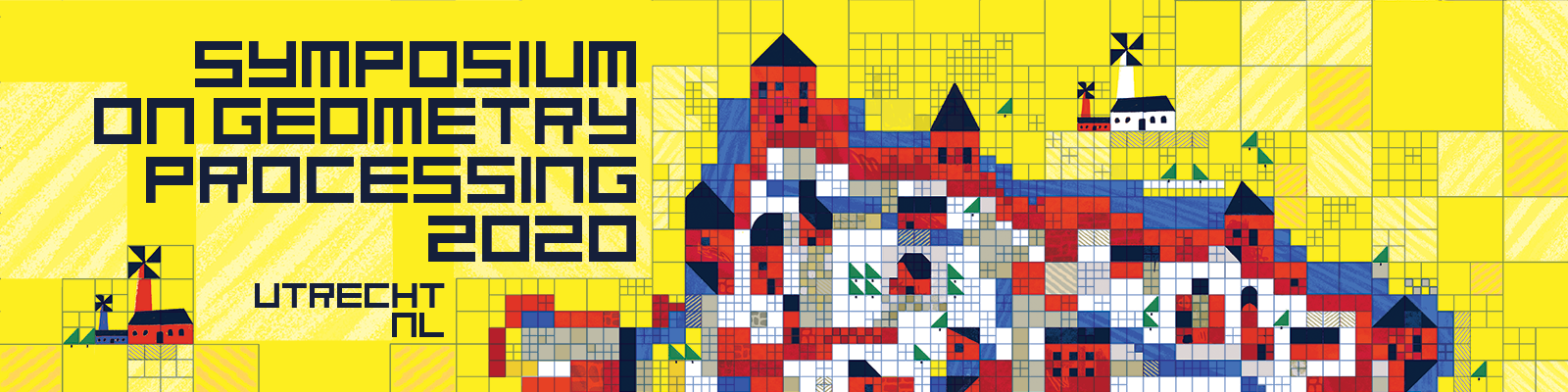
Symposium on Geometry Processing 2020
https://sgp2020.sites.uu.nl
|
Conference
|
Faculty of Science
|
Bio-inspiration
https://bio-inspiration.sites.uu.nl
|
Blog
|
Faculty of Science
|
Information and Computing Sciences Colloquium
https://icsc.sites.uu.nl
|
Conference
|
Faculty of Science
|
|
Topsportklimaatmeting
https://topsportklimaatmeting.sites.uu.nl
|
|
Faculty of Law, Economics and Governance
|
Refugee Youth in Public Space
https://refugeeyouthinpublicspace.sites.uu.nl
|
|
Faculty of Geosciences
|
AVRD2022
https://avrdsymposium.com
|
|
Faculty of Veterinary Medicine
|
University Pioneers
https://universitypioneers.sites.uu.nl
|
|
Faculty of Social and Behavioural Sciences
|
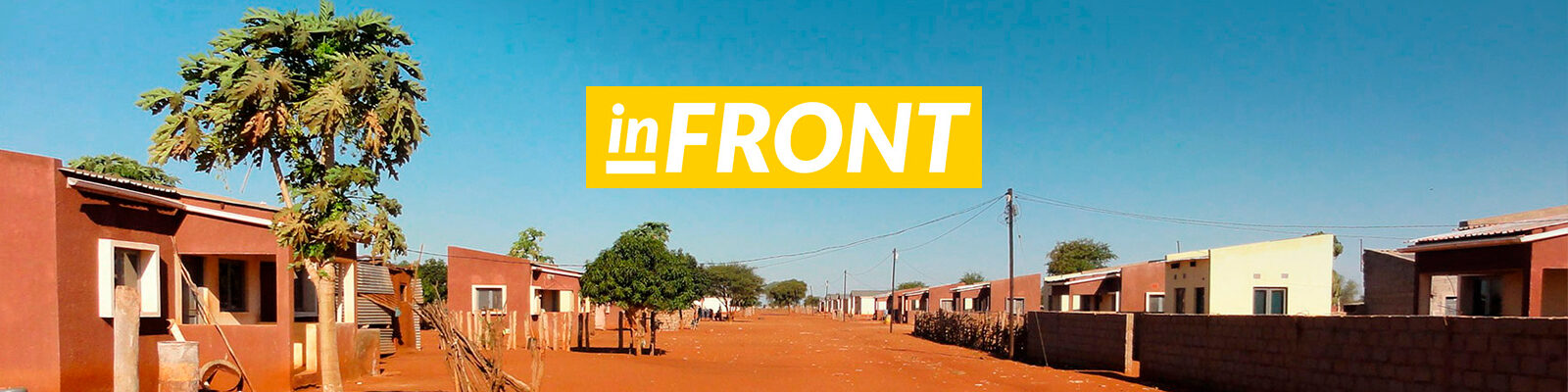
inFRONT: Inside Investment Frontiers of Sustainability Transitions
The ‘Inside the Investment Frontier’ (inFRONT) Project will offer a perspective on investment-induced displacement and resettlement in the global South and will open a new research field of sustainable place-making in relation to displacement and resettlement in Africa.
https://infront.sites.uu.nl
|
Research
|
Faculty of Geosciences
|
Consumers on the March, 1960s to 1990s
https://consumers.sites.uu.nl
|
|
Faculty of Humanities
|
Win - Innovation in survey data collection
https://win.sites.uu.nl
|
|
Faculty of Social and Behavioural Sciences
|
|
Hoe?Zo!Show
https://hoezoshow.sites.uu.nl
|
Information
|
Faculty of Geosciences
|
|
Digital Humanities 2019 Conference papers
https://dighum2019.sites.uu.nl
|
|
Faculty of Humanities
|
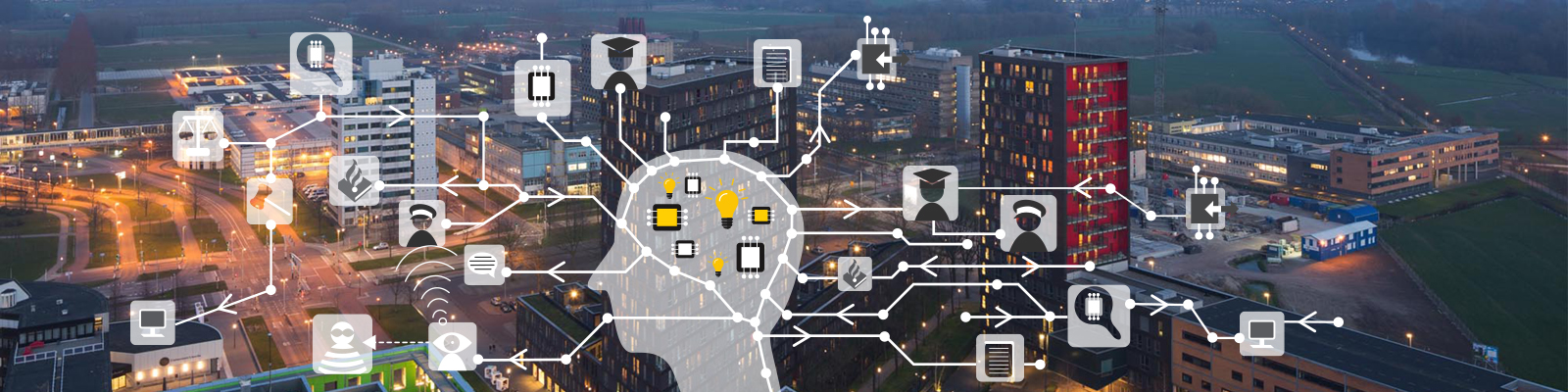
Nationaal Politielab AI - Utrecht
Het Nationaal Politielab Artificial Intelligence (NPAI) is een samenwerking van de Nederlandse politie, de Universiteit Utrecht (UU) en de Universiteit van Amsterdam (UvA). Samen streven we ernaar om state-of-the-art AI technieken te ontwikkelen om de veiligheid van Nederland te verbeteren.
https://nationaal-politielab.sites.uu.nl
|
Research
|
Faculty of Science
|
Taboeien
https://taboeien.sites.uu.nl
|
Information
|
Faculty of Humanities
|
|
Computational Linguistics in the Netherlands 30
https://clin30.sites.uu.nl
|
Research
|
Faculty of Humanities
|
Multilingual Dynamics of Medieval Flanders
https://multilingualdynamics.sites.uu.nl
|
Research
|
Faculty of Humanities
|
|
Onderwijs Research Dagen 2021
https://ord2021.nl
|
|
Faculty of Social and Behavioural Sciences
|
NWSV Helix
https://helix.sites.uu.nl
|
|
Faculty of Geosciences
|
Utrecht University Developmental Assessment Battery (UU-DAB)
https://dab.sites.uu.nl
|
Research
|
Faculty of Social and Behavioural Sciences
|
Brunings Lecture
Annual Brunings Lecture on estuaries
https://bruningslecture.nl
|
Research | Documentation
|
Faculty of Geosciences
|
INTRANSITION
https://intransition.sites.uu.nl
|
Research
|
Faculty of Social and Behavioural Sciences
|
Talenstudie voor jou
https://talenstudievoorjou.nl
|
Information
|
Faculty of Humanities
|
Methodology And Statistics Alumni Society
This page is currently under construction.
The Methodology And Statistics Alumni Society (MASAS) foundation aspires to build a community for the (former) students of the master’s programme ‘Methodology and Statistics for the Behavioural, Biomedical and Social Sciences’.
https://masas.sites.uu.nl
|
Information
|
Faculty of Social and Behavioural Sciences
|
Het Playful data-driven Active Urban Living (PAUL) project
Welkom op de PAUL website! Op dit moment wordt de website ontwikkeld.
https://paul.sites.uu.nl
|
Research
|
Faculty of Geosciences
|
Project Doen
https://project-doen.nl
|
|
Faculty of Social and Behavioural Sciences
|
CAPABLE - Enhancing Capabilities?
Website of the ERC Consolidator project ‘Enhancing Capabilities? Rethinking Work-life Policies and their Impact from a New Perspective’ (CAPABLE) under the direction of Mara Yerkes at Utrecht University
https://worklifecapabilities.com
|
Information
|
Faculty of Social and Behavioural Sciences
|
Fylakra-EMMEΦ Nieuws
Fylakra (FYsisch LAboratorium KRAnt) is het personeelsblad rond de Utrechtse Fysica en wordt sinds de oprichting in 1957 regelmatig uitgegeven voor de secties en afdelingen van het departement Natuur- en Sterrenkunde van de Universiteit Utrecht.
https://fylakra.sites.uu.nl
|
Information
|
Faculty of Science
|
UrbanHIT - Urban Heterogeneity and Infrastructure Transitions
https://urbanhit.sites.uu.nl
|
Research
|
Faculty of Geosciences
|
|
taalwijs.nu
https://taalwijs.nu
|
|
Faculty of Humanities
|
Histories of Global Netherlandish Art, 1550-1750
The art of the early modern Netherlands was a global art in various dimensions. Paintings and prints were made for worldwide export; artists depicted foreign rarities; applied arts from Asia were imported on an industrial scale.
https://globalnetherlandishart.sites.uu.nl
|
Research
|
Faculty of Humanities
|
GeoMod 2021
The GeoMod conference is a biennial international conference dedicated to the latest results of analogue and numerical modelling in the Geosciences. The main aim of the conference is to discuss and present the latest ideas, methods and results of laboratory, analytical and numerical modeling of geological processes.
https://geomod2021.uu.nl
|
Conference
|
Faculty of Geosciences
|
|
Natuurkundig Gezelschap Utrecht
Het Natuurkundig Gezelschap is een vereniging die tot doel heeft de belangstelling in de studie der natuurkunde en haar historie te bevorderen.
https://ngu.sites.uu.nl
|
Information
|
Faculty of Science
|
LANDac - The Netherlands Land Academy
https://landac.sites.uu.nl
|
|
Other
|
Remembering Activism: The Cultural Memory of Protest in Europe
https://rememberingactivism.eu
|
|
Faculty of Humanities
|
Geo data - support for researchers
This site is a site for the faculty of Geosciences. At this site research types based on privacy, sharing and ethical indicators can be determined and associated measures will be presented.
https://geo-data-support.sites.uu.nl
|
Research | Information
|
Faculty of Geosciences
|
|
Afranaph
https://afranaph.sites.uu.nl
|
Research
|
Faculty of Humanities
|
|
Languagelink
The LanguageLink server hosts a number of linguistic databases
and resources.
https://languagelink.sites.uu.nl
|
Information
|
Faculty of Humanities
|
PPE Community: The Extracurricular Programme
https://ppe.sites.uu.nl
|
Information
|
Other
|
10YUP: Waar sta jij over 10 jaar?
In 10YUP willen we graag weten welke strategieën je gebruikt om je doelen te behalen. Dit onderzoeken we in een grote groep jong volwassenen (16-25 jaar) die we 10 jaar lang volgen. Op deze manier komen we meer te weten over de invloed van doenvermogen op jouw doelen op de langere termijn en in welke mate doenvermogen kan veranderen over de tijd.
https://10yup.nl
|
Information
|
Faculty of Social and Behavioural Sciences
|
Sweet Crosstalk
Sweet Crosstalk is a multidisciplinary European Training Network (grant agreement No 814102) built to address the challenge of understanding, at a molecular level, how glycans are involved at the human mucosa–microbiota interface, and how this correlates with human well-being. Research into the human microbiome has reshaped the paradigm of our health and disease.
https://sweetcrosstalk.eu
|
Research
|
Faculty of Science
|
h2020-P-TRAP
P-TRAP as a European H2020 project targets both problems and develops new methods and approaches to trap P in drained agricultural areas and in the sediments of eutrophic lakes.
https://h2020-p-trap.eu
|
Research
|
Faculty of Geosciences
|
EQUIMOB: Inclusive Cities through Equitable Access to Urban Mobility
https://inclusivemobilities.sites.uu.nl
|
Research
|
Faculty of Geosciences
|
LettuceKnow
The research program "LettuceKnow, Science-Based Improvement of Salad" was recently awarded a NWO-TTW Perspective grant (see video below, in Dutch) and will start in 2019 for the duration of 6 years.
https://lettuceknow.nl
|
Research
|
Faculty of Science
|
GENPARENT Nederland
https://genparent.nl
|
|
Faculty of Social and Behavioural Sciences
|
|
TULIPS - The Utrecht Logic in Progress Series
Homepage of The Utrecht Logic in Progress Series
https://tulips.sites.uu.nl
|
Research | Information
|
Faculty of Humanities
|
Proof Theory in Logic (1-2 July 2019)
Proof Theory in Logic is a workshop held on July 1-2, 2019 at the Utrecht University, The Netherlands. Participation is free, but registration is required. Registration is not possible yet.
https://ptil.sites.uu.nl
|
Research
|
Faculty of Humanities
|
UMake - Utrecht Centre for Making
UMake is a cooperation of HKU University of the Arts, Utrecht University, and the University Medical Center in Utrecht. UMake is a platform for interdisciplinary research in to processes of making with a shared impact in the arts and in society. It brings together research on processes of making in the arts, humanities, and science to tackle societal challenges in education, healthcare, and public space. In collaboration with educators in art, science and medicine, UMake develops new forms of arts-based learning for the future.
https://umake.sites.uu.nl
|
Research | Information
|
Faculty of Humanities
|
Green Media Studies
Below, we maintain a tentative chronology of academic developments in the area of Green Media/Environmental Media studies.
https://greenmedia.sites.uu.nl
|
Research
|
Faculty of Humanities
|
Softwareproject Informatica
https://softwareprojecten.sites.uu.nl
|
Blog | Information
|
Faculty of Science
|
|
Young Women of Geoscience (YWOG)
Young Women of Geoscience (YWOG) aims to create an equal and inclusive working environment for women in the faculty of Geosciences.
https://ywog.sites.uu.nl
|
Information
|
Faculty of Geosciences
|
Medieval Memoria Online
Welcome to the Medieval Memoria Online (MeMO) database. MeMO provides a database that is accessible free of charge for researchers, students and anyone with a general interest in Dutch cultural heritage. It contains inventories and descriptions of objects and texts that had a function in the commemoration of the dead in the area that is currently the Netherlands, until 1580.
https://memo.sites.uu.nl
|
Information
|
Faculty of Humanities
|
Projecting Knowledge
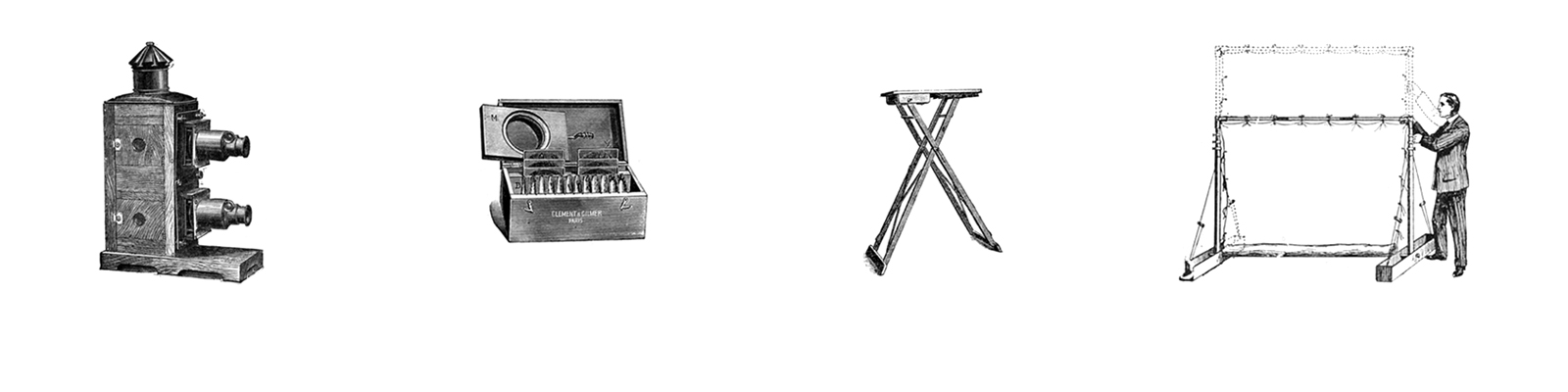
“Projecting Knowledge” studies the use of the magic lantern in science communication in the Netherlands, 1880-1940, and thereby elucidates the role of this important visual medium in the transmission and dissemination of knowledge.
https://projectingknowledge.sites.uu.nl
|
Research
|
Faculty of Humanities
|
Handboek farmaceutisch praktijkonderzoek
In dit handboek worden stappen beschreven die belangrijk zijn bij het opzetten en uitvoeren van een farmaceutisch praktijkonderzoek. Dit handboek is in de eerste plaats bedoeld voor studenten en onderzoekers die onderzoek doen bij UPPER of gebruik willen maken van faciliteiten van UPPER.
https://praktijkonderzoek.sites.uu.nl
|
Documentation | Information
|
Faculty of Science
|
Question Based Analysis
This website reports about the ERC funded research project “Question-based analysis of Geographic Information with Semantic Queries (QuAnGIS)“.
https://questionbasedanalysis.com
|
Research
|
Faculty of Geosciences
|
Duaal PhD-IT-Programma
De Universiteit Utrecht wil graag dat haar onderzoek en onderwijs impact heeft op de maatschappij en ziet het dan ook als een prachtige kans om publieke organisaties te ondersteunen bij complexe ICT uitdagingen.
Daarom heeft het departement Informatica in samenwerking met Career Services een interactief en betekenisvol PhD-IT-Programma ontwikkeld. Het programma loopt sinds november 2017. Het is de bedoeling dat er elk jaar 10 posities worden gecreëerd en ingevuld. Daarvoor zijn we voortdurend op zoek naar nieuwe samenwerkingen en talentvolle (toekomstige) IT promovendi.
https://phd-it-programma.sites.uu.nl
|
Information
|
Faculty of Science
|
Natuurkundelessen Ontwerpen
Op deze website staan de afzonderlijke hoofdstukken van het praktijkboek. Daarnaast geeft de website per hoofdstuk de mogelijkheid tot een verdere verbreding, verdieping en onderbouwing door het geven van suggesties voor bronnen voor verdere studie in de vorm van boeken of boekhoofdstukken, websites, artikelen, lesideeën en lesmateriaalvoorbeelden.
https://natuurkundelessen-ontwerpen.nl
|
Information
|
Faculty of Science
|
|
Samenwerkingsvragen
Afgestudeerde onderwijswetenschappers werken in hun baan vaak samen met anderen in projectgroepen, in een positie waarin je in staat bent om bewust een samenwerking vorm te geven en bij te sturen. Tijdens de opleiding oefenen studenten al tijdens groepsopdrachten aan hun samenwerkingsvaardigheden. Om samenwerkingsvaardigheden bewuster te kunnen ontwikkelen, is de onderstaande matrix ontwikkeld voor de opleiding onderwijswetenschappen.
https://samenwerkingsvragen.sites.uu.nl
|
Research
|
Faculty of Social and Behavioural Sciences
|
Academic Skills Human Geography and Spatial Planning
https://handboeksgpl.sites.uu.nl
|
Documentation
|
Faculty of Geosciences
|
|
PSICOM: Pragmatics and Semantics In Cognitive Modelling
The research program in this project aims at significantly expanding our understanding of the role of memory in interpretation. The project proceeds by combining the state-of-the art analyses of memory retrieval with the most successful and comprehensive theories of discourse semantics. The goal is to use this combination to gain insights into our understanding of cognitive processes underlying a semantico-pragmatic phenomenon, presupposition resolution.
https://psicom.sites.uu.nl
|
Research
|
Faculty of Humanities
|
Your Perspective
Your Perspective is a monthly career orientation meeting for students and alumni of the Faculty of Humanities at Utrecht University. Each month we explore a different workfield or theme that is relevant for students of various disciplines within the humanities.
https://yourperspective.sites.uu.nl
|
Information
|
Faculty of Humanities
|
Reading Zoos in the Age of the Anthropocene
Zoos have always told a particular story about humanity’s relationship to nature. Now, with climate change and mass extinctions looming, that story is changing. This project explores how the stories told at zoos and in literature and film about zoos reflect and shape a new environmental consciousness.
https://readingzoos.sites.uu.nl
|
Research
|
Faculty of Humanities
|
Fly Amazon Fires 2018
https://flyamazonfires2018.sites.uu.nl
|
Blog
|
Faculty of Science
|
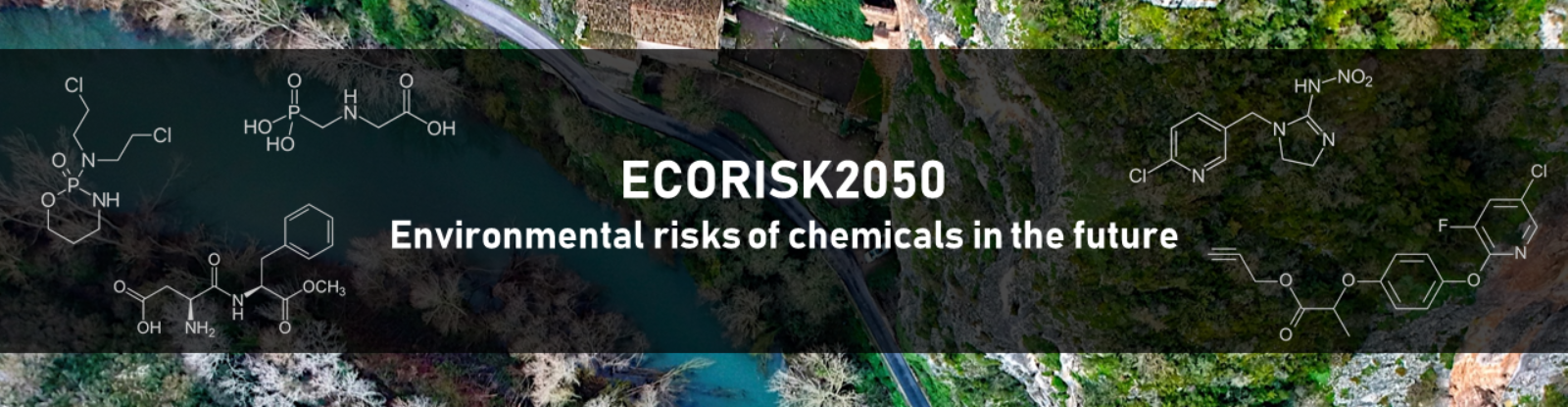
Welcome to the website of the ITN ECORISK2050 project. ECORISK2050 is a Europe wide project funded by the European Union in the framework of the H2020 Marie Sklodowska Curie Acition – Innovative Training Networks. We will analyse and address risks of chemicals of emerging concern focusing on scenarios up to 2050.
https://ecorisk2050.eu
|
Blog
|
Other
|
Academic Buddy Programme
https://academic-buddy-programme.sites.uu.nl
|
Information
|
Faculty of Humanities
|
Calculus of Variations on Schiermonnikoog 2019
The aim of this workshop is to bring together experts and early career researchers to discuss recent progress on foundations and applications of the modern calculus of variations, and to encourage collaborations.
https://calcvar2019.sites.uu.nl
|
Conference | Information
|
Faculty of Science
|
Groeien in persoonlijke omgeving
Groeien in persoonlijke omgeving
https://grip.sites.uu.nl
|
Research
|
Faculty of Social and Behavioural Sciences
|
Wiskunde in Teams
Welkom op de nieuwe overkoepelende website van de Wiskunde A-lympiade, Wiskunde B-dag en OnderbouwWiskundeDag. Hier leest u alles over deze evenementen. Kijk vooral eens naar onze nieuwe korte informatievideo!
https://wiskundeinteams.sites.uu.nl
|
Information
|
Faculty of Science
|
|
BIO Learn&Teach
It is our great pleasure to invite you for our first meeting of the Earli Emerging Field Group ‘The potential of biophysiology for understanding learning and teaching experiences (BioL&T)’. The theme of meeting is: Heart rate, electrodermal activity and stress
https://bio-learn-teach.sites.uu.nl
|
Conference
|
Faculty of Social and Behavioural Sciences
|
Comprehensive Early Childhood Parenting Questionnaire (CECPAQ)
The Comprehensive Early Childhood Parenting Questionnaire was developed to assess the behavior of parents towards their young child (1-5 years). Parenting is multifaceted task and the way in which parents fulfill this task plays an important role in children’s growth and development, especially in early childhood. Existing parenting questionnaires were mostly restricted, as they only assessed one or two dimensions of parenting behavior, or focused on older children. Developing a single questionnaire that taps into multiple parenting dimensions relevant for early child development allows answering a wide range of questions regarding parenting, such as the specificity of parenting and the existence of parenting profiles.
https://cecpaq.sites.uu.nl
|
Information
|
Faculty of Social and Behavioural Sciences
|
|
6th International Workshop on the Sharing Economy
The 6th International Workshop on the Sharing Economy will be held on 28-29 June, 2019.
After successful editions in Utrecht (2015), Paris (2016), Southampton (2016), Lund (2017) and Mannheim (2018), the International Workshop on the Sharing Economy will return to Utrecht for its sixth edition.
https://6thiwse.sites.uu.nl
|
Conference
|
Faculty of Social and Behavioural Sciences
|
|
New Materialism
https://newmaterialism.sites.uu.nl
|
Research
|
Faculty of Humanities
|
3T onderzoek: Taal, 22q11 en TOS
Het 3T onderzoek is een groot onderzoek van de Universiteit Utrecht en het UMC Utrecht over taal, aandacht en geheugen. We proberen antwoorden te vinden op vragen zoals: wat voor soorten taalproblemen kunnen kinderen hebben? En waarom hebben sommige kinderen problemen met het leren van taal?
Op deze website kunt u meer lezen over het onderzoek en de onderzoekers die er werken. Ook kunt u meer informatie vinden over meedoen aan het onderzoek.
https://3tonderzoek.sites.uu.nl
|
Research
|
Faculty of Humanities
|
26th Workshop on Logic, Language, Information and Computation (WoLLIC 2019), 2-5 July
WoLLIC is an annual international forum on inter-disciplinary research involving formal logic, computing and programming theory, and natural language and reasoning. Each meeting includes invited talks and tutorials as well as contributed papers.
https://wollic2019.sites.uu.nl
|
Conference
|
Faculty of Humanities
|
|
Proef module leven lang leren
https://proefmodulelevenlangleren.sites.uu.nl
|
|
Faculty of Social and Behavioural Sciences
|
|
Sociolinguistics Circle 2019
The Sociolinguistics Circle consists of a group of sociolinguists representing most – if not all – universities in the Netherlands and Flanders. Its main objective is to organize an annual one-day conference that aims at bringing together students and researchers of language variation, sociolinguistics and social dynamics of language with a connection to the Low Countries.
https://sociolinguisticscircle2019.sites.uu.nl
|
Conference
|
Faculty of Humanities
|
IT Academy
De IT Academy biedt IT trainingsaanbod aan voor alle medewerkers van de Universiteit Utrecht, om hen te helpen hun digitale vaardigheden te blijven ontwikkelen, voor hun werkzaamheden nu en in de toekomst. Het aanbod van de IT Academy is beschikbaar voor alle collega's met een UU-overeenkomst, zowel wetenschappelijk als ondersteunend personeel.
https://itsacademy.sites.uu.nl
|
Information
|
Corporate UU
|
|
Unifying Metaphysical Pluralism
My research project attempts to combine the insights of both camps, while discarding the deficiencies. It embraces the pluralism, yet doesn’t stop with a mere plurality – the evident diversity of things is, after all, still at home within a single reality.
https://unifiedpluralism.sites.uu.nl
|
Research
|
Faculty of Humanities
|
|
SMALP User Meeting - Friday 26 April 2019
The next annual SMALP user meeting will be held in Utrecht, The Netherlands on Friday April 26, 2019. We will discuss the latest developments in polymer chemistry, methods and applications of SMA copolymers in membrane biology, biophysics and structural biology and we will explore new alternatives for SMA.
https://smalp2019.sites.uu.nl
|
Conference
|
Faculty of Science
|
Alles over de plastic soep
Ben jij bezig met je profielwerkstuk of moet je binnenkort een presentatie geven over de plastic soep? Dan ben je hier aan het juiste adres. Deze site vertelt je alles over de plastic soep: van het ontstaan van de soep tot aan oplossingen voor een plasticvrije oceaan.
https://plasticsoep.sites.uu.nl
|
Documentation | Information
|
Faculty of Science
|
Climate change presents new challenges to the world, with impacts unequally distributed and affecting most the poorest people living in the world’s most economically and ecologically vulnerable regions.
https://re-imagine.sites.uu.nl
|
Research
|
Faculty of Geosciences
|
UNMAKING: a research programme on the disruption of capitalism in societal transformation to sustainability
The concept of unmaking is originally proposed in this programme to denote multilevel processes to deliberately ‘make space’ (temporally, spatially, materially, and/or symbolically) for radical alternatives that are incompatible with dominant structures.
https://unmaking.sites.uu.nl
|
Research
|
Faculty of Geosciences
|
|
FARM-OP
FARM-OP staat voor FAlls-Related Medication use in Older Patients.
Het doel van het onderzoek is om ouderen met een hoog valrisico op te sporen in de apotheek. Door interventies uit te voeren bij deze patiënten proberen wij vallen onder ouderen te voorkomen.
https://farm-op.sites.uu.nl
|
Research | Information
|
Faculty of Science
|
FORCE - Forensic Culture in Europe, 1930-2000
The ERC Consolidator project ‘Forensic Culture. A Comparative Analysis of Forensic Practices in Europe, 1930-2000’ is directed by dr. Willemijn Ruberg and investigates the differences between forensic practices in Europe in the period 1930-2000.
https://force.sites.uu.nl
|
Research
|
Faculty of Humanities
|
Netherlands Interuniversity School for Islamic Studies
NISIS is a national research school for the study of Islam and Muslim societies.
NISIS functions as a prime hub for interdisciplinary scholarly exchange in the Netherlands, strengthening research and teaching cooperation between academics of different disciplinary backgrounds who study Islam and Muslim societies in all its variety and depth. NISIS reinforces and extends national and international networks of scholars by organising high-quality schools and network days, and thus it contributes to the education of new generations of scholars in the field.
https://nisis.sites.uu.nl
|
Research
|
Faculty of Humanities
|
European History Reloaded: Curation and Appropriation of Digital Audiovisual Heritage (CADEAH)
During the past decade, a massive body of audiovisual heritage has become digitally accessible, on websites of archives, through initiatives such as Europeana.eu and EUscreen.eu, and on platforms such as YouTube and Vimeo. The proposed project is the first to research the online circulation and appropriation of audiovisual heritage using an integrated and interdisciplinary approach.
https://cadeah.sites.uu.nl
|
Research
|
Faculty of Humanities
|
Historicidagen 2017
De Historicidagen 2017 werden van 24 tot 26 augustus in Utrecht gehouden, op initiatief van KNHG in samenwerking met Universiteit Utrecht. Drie dagen vol inspirerende lezingen, debatten en workshops over alle mogelijke aspecten van geschiedbeoefening nu, voor alle historici: studenten, docenten, onderzoekers, historici werkzaam in archieven, musea, erfgoed, zzp-ers, kunsthistorici en publiekshistorici.
https://historicidagen2017.sites.uu.nl
|
Conference
|
Faculty of Humanities
|
Historicidagen 2019
De Historicidagen 2019 worden van 22 tot en met 24 augustus in Groningen gehouden, op initiatief van KNHG in samenwerking met de Rijksuniversiteit Groningen. Dit jaar is het thema Inclusieve Geschiedenis. Drie dagen vol inspirerende lezingen, debatten en workshops over alle mogelijke aspecten van geschiedbeoefening nu, voor alle historici: studenten, docenten, onderzoekers, historici werkzaam in archieven, musea, erfgoed, zzp-ers, kunsthistorici en publiekshistorici.
https://historicidagen2019.sites.uu.nl
|
Conference
|
Faculty of Humanities
|
El Niño Prediction
So far, statistical and dynamical prediction models are able to predict El Niño with reasonable skill up to six months ahead. Because an event always occurs in the northern-hemispheric winter, this six-month barrier is also called the spring-predictability barrier. The new method developed at the Centre for Complex Systems Studies (CCSS) aims to improve the skill of El Niño predictions on lead times from 6 months to 1 year, breaking the spring-predictability barrier.
https://elninoprediction.nl
|
Research | Documentation
|
Faculty of Science
|
Erfgoed en Publieksgeschiedenis Lab
Het Erfgoed en Publieksgeschiedenis Lab stimuleert reflectie op de macht van het verleden door onderwijs, onderzoek en de praktijk van erfgoed en publieksgeschiedenis met elkaar te verbinden.
https://epglab.sites.uu.nl
|
Research
|
Faculty of Humanities
|
QBio Symposium
On October 25th, 2018, Utrecht University hosted a symposium on the topic of interdisciplinary research between life sciences and natural sciences, often called quantitative biology (QBio).
https://qbio-symposium.sites.uu.nl
|
Conference | Information
|
Faculty of Science
|
Ethics Review Board of the Faculty of Social & Behavioural Sciences
https://ferb.sites.uu.nl
|
|
Faculty of Social and Behavioural Sciences
|
Migrants Negotiating Transnational Identities in Argentina
INTERNATIONAL CONFERENCE
ITALIAN AND SPANISH MIGRANTS NEGOTIATING TRANSNATIONAL IDENTITIES IN ARGENTINA (1930-1976): GENDER, POLITICS AND CULTURE
12-14 DECEMBER 2018
https://migrantsargentina.sites.uu.nl
|
Conference
|
Faculty of Humanities
|
ICOJIL - International Conferences on Jewish Italian Literature
https://icojil.sites.uu.nl
|
Conference
|
Faculty of Humanities
|
SYNCHRONY
Welcome to the website of the Prompted Rationality consortium. We are a multidisciplinary group of researchers from Utrecht University, Erasmus University Rotterdam, and the Technical University Eindhoven. Our research is geared towards understanding how the concepts of autonomy and empathy can inform public policy arrangements that support people in making choices that balance their personal interest with societal benefit.
https://synchrony-governing-sustainability.com
|
Conference | Research
|
Faculty of Social and Behavioural Sciences
|
Nationaal Platform voor de Talen
Het Nationaal Platform voor de Talen is door de samenwerkende universiteiten en het programmabureau Geesteswetenschappen ingesteld om de belangen van talenstudies te behartigen, samenwerking te initiëren en vernieuwing te stimuleren.
https://platformtalen.nl
|
Information
|
Faculty of Humanities
|
Kurt Lewin Instituut
The Kurt Lewin Institute (KLI) is a centre for graduate training and research focusing on the analysis of the psychological factors contributing to the shaping of social behaviour. The general objective of the KLI is to stimulate and strengthen research in social psychology and its applications. To this end, the KLI offers a 4-year inter-university graduate teaching and training program. Ph.D. students following this program participate in specialist and general courses.
https://kurtlewininstituut.nl
|
Research | Information
|
Faculty of Social and Behavioural Sciences
|
Systematic Reviewing 3.0
Systematic Reviews are “top of the bill” in research. The number of systematic reviews published by researchers increases year after year. But performing a sound systematic review is a time-consuming and sometimes boring task. You can make use of tools to work efficiently and of support offered by the library. New developments like text mining, applying R for meta analysis and funding options might improve systematic reviews even more.
https://sysrev30.sites.uu.nl
|
Conference
|
Faculty of Social and Behavioural Sciences
|
Global Hydrology
Achieving sustainable development worldwide remains the biggest political challenge of our time. In 2015, the international community adopted 17 ‘Sustainable Development Goals’ with no less than 169 ‘targets’ as part of a global ‘2030 Agenda for Sustainable Development’.
https://globalhydrology.nl
|
Research
|
Faculty of Geosciences
|
|
Pharmaceutical Honours Programmes
HPPS (Honours Programme of Pharmaceutical Sciences) and HPIP (Honours Programme Innovation in Pharmacy) are Pharmaceutical Honours Programmes offered by the Faculty of Science. If you are a bachelor student or master student in pharmaceutical sciences, you may want to apply for HPPS or HPIP. The content and educational approach is tailored for excellent students.
https://pharmaceuticalhonours.sites.uu.nl
|
Information
|
Faculty of Science
|
Muziekinstrumenten
Muziek is niet mogelijk zonder muziekinstrumenten (waartoe we ook de menselijke stem rekenen). Daarom is voor het ‘begrijpen’ van muziek enige kennis van muziekinstrumenten onontbeerlijk. De hoofdstukken op deze website gaan in op de belangrijkste kenmerken van muziekinstrumenten, hoe ze eruit zien, hoe ze geluid produceren, hoe ze worden gebruikt en hoe muziek ervoor wordt genoteerd.
https://muziekinstrumenten.sites.uu.nl
|
Documentation
|
Faculty of Humanities
|
De muziekbrieven van Constantijn Huygens
Constantijn Huygens (1596-1687) was een veelzijdig man. Het bekendst is hij geworden als dichter, maar daarnaast was hij ook een bekwaam musicus en componist. Zowel zijn poëtische als zijn muzikale liefhebberijen beoefende hij als vrijetijdsbesteding naast een intensieve werkkring als secretaris van drie opeenvolgende Oranje-stadhouders uit de zeventiende eeuw: Frederik Hendrik, Willem II en Willem III.
https://huygens-muziekbrieven.sites.uu.nl
|
Information
|
Faculty of Humanities
|
The Thirty-One Works of Francesco Geminiani
Francesco Geminiani (1687-1762) was one of the most imporant composers of instrumental music in the first half of the eighteenth century. He is best known for his sonatas for violin and figured bass and his concertos for string ensembles, but he also composed music for other instrumental combinations and for harpsichord.
https://geminiani.sites.uu.nl
|
Research
|
Faculty of Humanities
|
The Music Publishing House of Estienne Roger and Michel-Charles Le Cène
Esteinne Roger (c. 1662-1722) was one of the most important music publishers in Europe in the first decades of the eighteenth century. He started the business in 1695, together with Jean-Louis De Lorme. The collaboration ended by the end of 1686. The period from 1697 to 1716 is the time of the greatest expansion of the publishing housed, partly achieved also by the take-over of other businesses.
https://roger.sites.uu.nl
|
Documentation | Information
|
Faculty of Humanities
|
Nootzaken
Nootzaken: Basisbegrippen uit de Theorie van de Westerse Muziek
https://nootzaken.sites.uu.nl
|
Documentation
|
Faculty of Humanities
|
Muziek in de Republiek
De files van deze website betreffen de geschiedenis van de muziek in de Republiek der Zeven Verenigde Nederlanden, de staat die bestond van 1572 tot 1795, op global het grondgebied van het huidige Koninkrijk der Nederlanden ofwel: Nederland.
https://muziekinderepubliek.sites.uu.nl
|
Documentation
|
Faculty of Humanities
|
JOINT CONGRESS OF VETERINARY PATHOLOGY AND VETERINARY CLINICAL PATHOLOGY on 25-28 September 2019 at Burgers’ Zoo Arnhem, the Netherlands
We are very grateful to our speakers, who not only come from various areas of expertise in studying, diagnosing and treating disease but also cover the broad range from molecules to large animals such as whales. This will result in a program with fascinating talks and lectures that should offer interesting and new knowledge and insights, hopefully resulting in fruitful discussions and new collaborations.
https://vetpathvetclinpath2019.sites.uu.nl
|
Conference
|
Faculty of Veterinary Medicine
|
Thermos
Utrecht University (UU) aims to create a learning environment for all students that will supports their development as optimal as possible (Strategic Plan UU, 2016-2020). THERMOS contributes to this, by offering students more control over their study approach. This will be accomplished by providing information about how they study (study behaviour) and how they experience the learning environment (study experience), and this will be integrated with data about their study progress (OSIRIS).
https://thermos.sites.uu.nl
|
Research
|
Faculty of Social and Behavioural Sciences
|
|
FENIX: Network for Research on Women Exiles & Migrants. Founder and Coordinator: Eugenia Helena Houvenaghel (Utrecht)
Gender, exile and identity from a transatlantic perspective. Cultural flows between Spain and Latin America.
https://fenix.sites.uu.nl
|
Research
|
Faculty of Humanities
|
Plusnederlands
PlusNederlands stimuleert leerlingen – over de volle breedte van vmbo tot vwo – in aansluiting op het schoolvak Nederlands verder de diepte in te gaan en aanvullende vragen te leren stellen over de Nederlandse taal en cultuur. We hebben de ambitie leerlingen te begeleiden in hun zoektocht naar antwoorden en leren ze over hun vondsten te schrijven.
https://plusnederlands.nl
|
Information
|
Faculty of Humanities
|
The Intimacies of Remote Warfare
The Intimacies of Remote Warfare project aims to build an independent, evidence-based expert field which is able to inform the public about the impacts and intimate realities of the remote wars that are waged in their names. In recent years, Western states have increasingly resorted to remote warfare to govern ‘threats at a distance’ across the Middle East and Africa often outside conventional warzones.
https://intimacies-remote-warfare.sites.uu.nl
|
Information
|
Faculty of Humanities
|
EGRIP expedition 2018 - Thomas Röckmann
On this website you can follow my field trip to Greenland. I will not visit the places that visitors of Greenland usually go to, but stay for about 3 weeks in a camp in the middle of the Greenland ice sheet. I will do this together with an international group of scientists as part of the East GReenland Ice coring Project (EGRIP). The main goal of the EGRIP project is to drill all the way to the bottom and recover the ice for analysis.
https://egrip2018tr.sites.uu.nl
|
Blog
|
Faculty of Science
|
Pedagogisch practicum
https://pedagogischpracticum.sites.uu.nl
|
|
Faculty of Social and Behavioural Sciences
|
|
Machine Learning: Applications
The objective of the SIG ML:A is to bring two groups of researchers together: on the one hand machine learning experts, and, on the other, substantive researchers interested in applying machine learning to answer novel scientific questions in their domain.
https://machine-learning.sites.uu.nl
|
Research
|
Faculty of Social and Behavioural Sciences
|
Jouw leefomgeving
Het doel van de Jouw Leefomgeving studie is om meer inzicht te krijgen in de relatie tussen leefomgeving en geestelijke gezondheid. Het onderzoek is een vervolg op de nationale ‘Stemming en Leefomgeving’ enquête uitgevoerd door het CBS en de Universiteit Utrecht.
https://jouwleefomgeving.uu.nl
|
Research | Information
|
Faculty of Geosciences
|
De Natuurkunde Top 10
Op deze website kan je meer info vinden over die onderwerpen, plus nog wat andere spannende, rare en interessante natuurkunde. Deze onderwerpen vormen de Natuurkunde Top 10! De punten van de Top 10 zijn niet alleen voorbeelden van bijzondere natuurkunde, vaak zijn ze de basis voor dingen die we dagelijks gebruiken of doen. We hopen dat je hierdoor een beter idee krijgt van de vette wetenschap en natuurkunde achter alledaagse apparaten zoals je smartphone!
https://natuurkundetop10.sites.uu.nl
|
Information
|
Faculty of Science
|
|
The ILS Language & Communication research group
Language & Communication research group, Utrecht Institute of Linguistics OTS (UiL OTS), Utrecht University, Netherlands
https://ils-lc.sites.uu.nl
|
Research | Blog | Information
|
Faculty of Humanities
|
Language Acquisition, Processing and Disorders (LAPD)
Producing and understanding language, as well as the ontogenesis of these abilities, are determined by the structure and function of the human brain, the senses and the motor apparatus.
https://uilotslapd.sites.uu.nl
|
Research
|
Faculty of Humanities
|
|
Linguistic Theory and Language Acquisition
The Linguistic Theory and Language Acquisition group investigates language acquisition against the background of the formal and functional structure of natural languages.
https://uilotsltla.sites.uu.nl
|
Research
|
Faculty of Social and Behavioural Sciences
|
|
Language, Logic and Information
The Language, Logic and Information (LLI) group, one of the six research groups within the UiL OTS, studies the representation of information in language, its usage for computational systems, and the application of such systems for linguistic data.
https://uilotslli.sites.uu.nl
|
Research
|
Faculty of Humanities
|
Beyond 'Religion versus Emancipation’
The aim of the project is to study women’s conversion processes, in which gender and sexuality play a formative role and new religious subjectivities are acquired. While it is often assumed that religion and women’s emancipation are fundamentally conflicting, this project challenges that conception, and through a comparative research contributes to academic and public understandings of tensions between religious and secular gender discourses.
https://conversion.sites.uu.nl
|
Research
|
Faculty of Humanities
|
|
BHV Geowetenschappen
Bij een incident (ongevallen, brand of het vrijkomen van gevaarlijke stoffen) treedt de Bedrijfshulpverlening (BHV) op om de nadelige gevolgen zoveel mogelijk te beperken en aanwezige personen zo nodig te evacueren. De BHV-organisatie is werkzaam tot het moment dat de professionele hulpdiensten (brandweer, politie of ambulance) zijn gearriveerd.
https://bhvgeo.sites.uu.nl
|
Information
|
Faculty of Geosciences
|
Mobile Apps and Sensors in Surveys
workshop for the bi-annual workshop on mobile apps and sensors in surveys
https://massworkshop.org
|
Conference
|
Faculty of Social and Behavioural Sciences
|
Geohazards.nu
My main area of research is ‘Land Degradation, Earth Observation and Geoinformation Science’. The research of my group focusses on applied use of earth observation and spatio-dynamic modelling of land degradation processes and ecosystem performance.
https://geohazards.uu.nl
|
Research
|
Faculty of Geosciences
|
The 7th International Conference on Coupled THMC Processes
After Stockholm, Sweden (GeoProc2003), Nanjing, China (GeoProc2006), Lille, France (GeoProc2008), Perth, Western Australia (GeoProc2011), Utah, United States (GeoProc2015), and Paris, France (GeoProc2017), the 7th GeoProc will take place in the city of Utrecht in the Netherlands, on 3-5 July 2019.
https://geoproc2019.sites.uu.nl
|
Conference
|
Faculty of Geosciences
|
Art DATIS
Art DATIS (Digital Art Technical sources for the Netherlands: Integration and improvement of sources on glass for a Sustainable future) is a four-year research project (2018-2022) within the Netherlands Organisation for Scientific Research’s (NWO) Big Data / Digital Humanities program.
https://artdatis.nl
|
Research
|
Faculty of Humanities
|
Early Years blog
De Early Years Blog wordt ondersteund door het Europese project BECERID en loopt van 2017-2020 (ERASMUS+ KA2). De Universiteit Utrecht is projectleider in Nederland en werkt samen met de CED-Groep en Fontys Hogeschool. Verder doen er verschillende universiteiten en organisaties uit Vlaanderen, Portugal en Polen mee aan het project.
https://earlyyearsblog.nl
|
Blog
|
Faculty of Social and Behavioural Sciences
|
Dramaturgy Database
This Dramaturgy Database reflects our ongoing research of dramaturgy at Utrecht University. The database consists of (full text) interviews with Dutch and Flemish dramaturges, essays and reports on dramaturgy seminars and other documents that show how (Dutch) dramaturgy has developed in the past decennia.
https://dramaturgydatabase.hum.uu.nl
|
Research | Information
|
Faculty of Humanities
|
Het UNION netwerk
Het netwerk UNION betreft samenwerkingsinitiatieven vanuit Universiteit Utrecht rondom het bevorderen van inclusief onderwijs en het tegengaan van segregatie, polarisatie en radicalisering in het Utrechtse onderwijs, waarbij met de Utrechtse scholen wordt samengewerkt.
https://netwerkunion.sites.uu.nl
|
Research | Information
|
Faculty of Social and Behavioural Sciences
|
Prospectief Onderzoek Maatschappelijke Opvang en Beschermd Wonen
De Universiteit Utrecht nodigt gemeenten uit om mee te doen in onderzoek naar ambulantisering van cliënten in de Maatschappelijke Opvang en Beschermd Wonen. Het onderzoek levert uw gemeente bestuurskundige adviezen en verklaringen op, vanuit verschillende perspectieven, waaronder nadrukkelijk het cliënten perspectief.
https://onderzoekmobw.sites.uu.nl
|
Research
|
Faculty of Social and Behavioural Sciences
|
Read-it project
READ-IT (Reading Europe Advanced Data Investigation Tool) is a 3-years (2018-2020) transnational, interdisciplinary R&D project funded by the Joint Programming Initiative for Cultural Heritage that will build a unique large-scale, user-friendly, open access, semantically-enriched investigation tool to identify and share groundbreaking evidence about 18th-21st century Cultural Heritage of reading in Europe.
https://readit-project.eu
|
Research
|
Faculty of Humanities
|
Food-Print Utrecht Region
Samen bouwen aan een duurzame en gezonde voedselomgeving in de regio Utrecht.
https://foodprint-utrecht.nl
|
Information
|
Faculty of Science
|
Keltisch
Bij de opleiding Keltisch gebruiken we als definitie van het woord eigenlijk dezelfde definitie zoals die hierboven uit het Van Dale woordenboek. Keltisch is inderdaad een taalfamilie, alleen zijn er wel meer talen in deze familie die nog of weer gesproken worden, namelijk het Bretons, Scots-Gaelic, Iers, Welsh, Cornish en Manx. Aan onze opleiding houden wij ons bezig met onderzoek en onderwijs over, met name, de historische varianten van deze talen en de literatuur die hierin geschreven is. Op deze website vertellen we je daar graag meer over.
https://keltisch.sites.uu.nl
|
Blog
|
Faculty of Humanities
|
The dynamics of cultural remembrance: an intermedial perspective
Does the medium make the memory? Within the cross-disciplinary field of cultural memory studies this programme focuses on the role played by different media (texts, images, monuments etc) in the evolution and maintenance of ‘memory sites.’
https://dcr.sites.uu.nl
|
Research
|
Faculty of Humanities
|
Graduate School of Teaching - Educatieve module
Houd je van je vak en wil je je kennis graag overdragen op leerlingen? Vind je het leuk om met jongeren te werken en wil je ze echt iets meegeven? En heb je (bijna) een relevante vakinhoudelijke bachelor of doctoraal afgerond? Word leraar! Volg de Educatieve Module aan de Graduate School of Teaching van de Universiteit Utrecht. Met de Educatieve Module behaal je een beperkte tweedegraads bevoegdheid, waarmee je mag lesgeven in alle klassen van het vmbo-t en de onderbouw van havo en vwo.
https://educatievemodule.sites.uu.nl
|
Information
|
Faculty of Social and Behavioural Sciences
|
Council of Dutch Research Schools in the Humanities
LOGOS is the platform of all Dutch research schools in the Humanities
https://logosgw.nl
|
Research | Information
|
Faculty of Humanities
|
Digital Youth
Hoeveel symptomen van sociale mediaverslaving heb jij?
https://digital-youth.sites.uu.nl
|
Information
|
Faculty of Social and Behavioural Sciences
|
Medieval Irish Bilingualism
Is modern-day spoken bilingualism any different from historical written bilingualism? Do the same rules and theories apply? When an Irish scribe used Latin and Irish in one sentence, what does this tell us about his proficiency, his education and his audience? In short, what can medieval Irish bilingualism tell us about the society that fostered it?
https://medievalirishbilingualism.sites.uu.nl
|
Research
|
Faculty of Humanities
|
Project UNION - Utrechts Netwerk voor Inclusie in het ONderwijs
Het project UNION, het Utrechts Netwerk voor Inclusie in het ONderwijs, is een onderzoeksgedreven project waarin wordt gezocht naar oplossingen voor de toenemende polarisatie in het Utrechtse klaslokaal. Dit is geen onderzoek in de klassieke zin, maar een initiatief in de stad Utrecht om tot een netwerk en actieplan te komen: een aanpak van het vraagstuk van radicalisering en polarisatie.
https://union.sites.uu.nl
|
Information
|
Faculty of Social and Behavioural Sciences
|
Forests and Trees: the Formal Semantics of Collective Categorization (ROCKY)
Forests and Trees: the Formal Semantics of Collective Categorization (ROCKY) is an ERC Advanced Grant project that is carried out at the Utrecht Institute of Linguistics OTS. This project aims to develop a novel theory on the linguistic ability to conceptualize collections, applied to a wide range of empirical phenomena and interdisciplinary challenges in computational semantics and comparative linguistics, benefiting from the recent synergy between linguistics and the psychology of concepts.
https://rocky.sites.uu.nl
|
Research
|
Faculty of Humanities
|
DE FOOD-TRACK STUDIE
Door middel van deze studie willen wij beter begrijpen waar en wanneer mensen eten kopen of nuttigen. Daarbij zijn wij ook benieuwd welke persoonlijke kenmerken hierin meespelen. Bijvoorbeeld, kopen vrouwen op andere plekken eten en drinken dan mannen?
https://waareetjij.nu
|
Research
|
Faculty of Geosciences
|
Teaching & Learning Lab
In het splinternieuwe UU-Teaching and Learning Lab gaan docenten en onderzoekers aan de slag met het verbeteren van hun onderwijs. Didactische workshops, kennisclips.
https://teachinglearninglab.nl
|
Documentation | Information
|
Faculty of Science
|
Sandro Penna Study Day
Il ruolo centrale di Sandro Penna all’interno del canone novecentesco è indubbio e indiscutibile.
https://sandropenna.sites.uu.nl
|
Conference
|
Faculty of Humanities
|
Utrechtse Dag van de Filosofie 2018
Universiteit Utrecht presenteert op 7 april 2019 de tweede Utrechtse Dag van de Filosofie. In het eerste kwartaal van 2019 zal deze site aangevuld worden met informatie over die dag. Tot die tijd is er nog de informatie van de eerste editie te vinden.
https://filosofieinutrecht.sites.uu.nl
|
Conference
|
Faculty of Humanities
|
UP Natuurkunde
https://up.sites.uu.nl
|
Documentation | Information
|
Faculty of Science
|
|
11th EG Workshop 3D Object Retrieval 2018
The aim of the 3DOR Workshop series is to stimulate researchers from different fields such as Computer Vision, Computer Graphics, Machine Learning, Cognitive Science and Human-Computer Interaction who work on or are interested in 3D object retrieval search and exploration, to present state-of-the-art work in the field or learn about it and participate in discussions.
https://3dor2018.sites.uu.nl
|
Conference
|
Faculty of Science
|
Private Property and Political Power
Liberal-democratic societies have traditionally been based on the image of a clear separation between the private and the public sphere. The state is supposed to protect public interests, while private actors have the freedom to pursue their own private interests. The concept of ownership plays a crucial role in this liberal-democratic conception of society.
https://propertyandpower.sites.uu.nl
|
Research
|
Faculty of Humanities
|
YODA
The simplest way to think about Yoda is:
A way to store your research data.
Yoda stores all kinds of digital data: not only primary (raw) data or secondary data, but also questionnaires, lab journals, digital sources, observations, photos, scans etc. etc.
https://yoda.sites.uu.nl
|
Documentation
|
Corporate UU
|
SKILLNET - Sharing Knowledge in Learned and Literary Networks
Website of the ERC Consolidator project ‘Sharing Knowledge in Learned and Literary Networks – The Republic of Letters as a Pan-European Knowledge Society’ (SKILLNET) under the direction of Dirk van Miert at Utrecht University
https://skillnet.nl
|
Conference
|
Faculty of Humanities | Other
|
Urban Matters: Material Engagements with Communities and Borders in Times of Movement
Registration for the conference is now closed. The conference is free of charge for presenters.
https://urbanmatters.sites.uu.nl
|
Conference
|
Faculty of Geosciences
|
culturalhistorytest
Cultural history programme of Utrecht University
https://culturalhistorytest.sites.uu.nl
|
Information
|
Faculty of Humanities
|
NEEDS: Dynamic Urban Environmental Exposures on Depression and Suicide
Depression is among the leading health burdens worldwide and people affected by depression have a higher suicide risk. Environmental exposures may act as potential stressors or buffers to people’s mental health status. How much the environment (e.g. urban design, green space, social interaction) contributes to depression and suicide risk remains unclear and evidence tends to be limited to the residential environment. NEEDS calls such environmental exposure assessments into question.
https://needs.sites.uu.nl
|
Research
|
Faculty of Geosciences
|
Reflections on replication: Psychology's current crisis
Reflections on replication: Psychology's current crisis
https://roar.sites.uu.nl
|
Conference
|
Other
|
Primas Project
Primas promotes inquiry-based learning in mathematics and science at both primary and secondary levels across Europe.
https://primas-project.eu
|
Research
|
Faculty of Science
|
|
DEON 2018
The biennial DEON conferences are designed to promote interdisciplinary cooperation amongst scholars interested in linking the formal-logical study of normative concepts and normative systems with computer science, artificial intelligence, philosophy, organization theory and law.
https://deon2018.sites.uu.nl
|
Conference
|
Faculty of Humanities
|
Open Science at Utrecht University
Utrecht University aims to be at the forefront of open science. Therefore the Executive Board has launched the Utrecht University Open Science Programme. A programme that aims to stimulate and facilitate researchers to put open science into practice.
https://open-science.sites.uu.nl
|
Information
|
Other
|
|
Beucitizen
https://beucitizen.sites.uu.nl
|
Information
|
Faculty of Law, Economics and Governance
|
|
Vacancies Utrecht University School of Economics
List of vacancies:
https://use-vacancies.sites.uu.nl
|
Information
|
Faculty of Law, Economics and Governance
|
Transmission in Motion
Transmission in Motion is a hybrid research community that brings researchers from across disciplines together with artists and other partners from outside the academy. Transmission in Motion provides a platform for seminars, meetings and presentations, and mediates the development of partnerships and research projects.
https://transmissioninmotion.sites.uu.nl
|
Research
|
Faculty of Humanities
|
erc-secure-db
https://erc-secure-db.sites.uu.nl
|
Research
|
Faculty of Humanities
|
European Plant Science Retreat 2018
We are looking forward to welcome you at the only European conference in Plant Biology organized by and for PhD students. The EPSR is a unique opportunity to discuss science with renowned PIs, network with plant breeding industry, and get to know your fellow PhD students from other countries.
https://epsr2018.sites.uu.nl
|
Conference
|
Faculty of Science
|
Media in Transition (MiT)
The MiT@UU conference brings together eminent scholars and key-players from related organizations and the industry to share perspectives and research results revolving around ongoing transformations affecting the very foundations of traditional media.
https://mit.sites.uu.nl
|
Conference
|
Faculty of Humanities
|
Managed deltas are social-ecological systems that provide flood- and food security. However, land subsidence and sea level rise render deltas vulnerable to flooding, the impact of which is exacerbated by population growth and urbanization. These stresses affect institutional requirements for delta systems.
https://livingpolders.sites.uu.nl
|
Research
|
Faculty of Geosciences
|
DeltaMAR
DeltaMAR is an NWO funded project that sets out to enhance fundamental knowledge on financial, institutional, environmental, technical, and social factors that influence the potential of Managed Aquifer Recharge (MAR) for safe drinking water provision in saline deltas, devoid of an adequate fresh water supply.
https://deltamar.sites.uu.nl
|
Research
|
Faculty of Geosciences
|
Students in Dubai
This research project focuses on the experiences of students and staff at international branch campuses in Dubai. The United Arab Emirates is one of the largest education hubs in the world, hosting over 30 international branch campuses in dedicated free zones, such as Dubai Knowledge Park and Dubai International Academic City. This project aims to broaden our understanding of the aspirations, experiences and migration trajectories of individuals engaged in transnational education.
https://studentsindubai.sites.uu.nl
|
Research
|
Faculty of Geosciences
|
Logic Group Preprint Series
Welcome to the homepage of the Logic Group Preprint Series. In this series preprints and technical reports of the staff of the logic group of the Department of Philosophy of Utrecht University are published. This site serves as a catalog to all preprints published in the series, and provides access to electronic versions of most of the more recent preprints.
https://lgps.sites.uu.nl
|
Research
|
Faculty of Humanities
|
Fair Limits (project archive)
Fair Limits focuses on ‘limitarianism’, the view that there should be upper limits to how much each person could have of valuable goods. In this project, we will investigate the plausibility of limitarianism in the area of economic and ecological resources.
https://fairlimits.nl
|
Research
|
Faculty of Humanities
|
The Dynamics of the Medieval Manuscript
This cross-European research project studied the dynamics of a number of late-medieval Dutch, English, French and German miscellany manuscripts, focusing on the highly mobile short verse narratives they contain.
https://dynamicsofthemedievalmanuscript.eu
|
Research
|
Faculty of Humanities
|
Citizenship Discourses in the Early Middle Ages
The project-team Citizenship Discourses in the Early Middle Ages studies the heritage of ancient citizenship vocabulary in the post-Roman world until the end of the first millennium.
https://citizenshipdiscourses.sites.uu.nl
|
Research
|
Faculty of Humanities
|
OKEE-project
Deze webportal is voor de OKEE-studie. OKEE staat voor Optimaliseren behandeling Kinderen met Eczeem in de Eerstelijn.
Het doel van deze studie is om (ouders van) kinderen met eczeem optimaler te begeleiden vanuit de apotheek. Om hierbij te ondersteunen, zijn er verschillende ‘tools’ ontwikkeld, die op deze webportal te vinden zijn.
Op deze website staat informatie voor apotheekmedewerkers èn voor ouders van kinderen met eczeem.
https://okee.sites.uu.nl
|
Documentation | Information
|
Faculty of Science
|
Utrecht Theoretical Linguistics
This is the website of the Utrecht Theoretical Linguistics group.
Here you can find info on all events, activities, reading groups, lectures, researchers, publications on syntax, semantics, phonology and anything related to the theory of grammar. You can subscribe to this page from the Events tab.
https://utl.sites.uu.nl
|
Research
|
Faculty of Humanities
|
RRR Network
The RRR Network is an interdisciplinary and international network of researchers, curators, and artists employing performative methods in the humanities and social sciences. The network’s aim is to offer a platform for sustained, interdisciplinary reflections on performative methods, variously known as reconstruction, re-enactment and replication (RRR) practices (also: reproduction, re-working, restoration of behaviour) across the fields of history of science, archaeology, art history, conservation, musicology, media studies, artistic research, anthropology and other disciplines.
https://rrr-network.com
|
Research
|
Faculty of Humanities
|
Interpersoonlijke Relaties in het Onderwijs
https://interpersonal-relationships-in-education.sites.uu.nl
|
Research
|
Faculty of Social and Behavioural Sciences
|
Langeveld Labs
The Langeveldlab is the place to go to earn course credits (PPU, for psychology students), or just make some easy money.
Curious how people interact in groups? How attention guides our behavior? In what ways we are influenced by motivation and emotion? Your participation in our experiments will help us answer these questions, and offer you insight in how we do so.
https://langeveldlab.sites.uu.nl
|
Research
|
Faculty of Social and Behavioural Sciences
|
Foundations 2018
This year Utrecht University has hosted Foundations 2018, a highly interdisciplinary event that brought together philosophers, physicists, mathematicians and historians. This was the 19th in a series that began on a small scale in Portsmouth in 1992, but which has now grown into one of the main conferences in the field, hosted in 2016 by LSE and in 2013 in Munich.
https://foundations2018.sites.uu.nl
|
Conference
|
Faculty of Science
|
|
MMM - Mediawijs door Media Maken - Media literacy through Making Media
Het project Mediawijs door media maken (MMM) is gehonoreerd binnen de route Veerkrachtige en Zinvolle Samenlevingen van de Nationale Wetenschapsagenda. Binnen het project wordt onderzocht hoe migrantenjongeren, vluchtelingen in het bijzonder, getraind kunnen worden in informatieverwerking en mediagebruik om zich snel thuis te voelen en zich voor te bereiden op een toekomst in Nederland.
https://mmm.sites.uu.nl
|
Information
|
Faculty of Humanities
|
Defining ‘Europe’ in Medieval European Geographical Discourse
The project will show how the Image of the World, one of the most influential texts in European intellectual history which described the world as it was known (or imagined), contributed to the development of the idea of Europe.
https://definingeurope.sites.uu.nl
|
Research
|
Faculty of Humanities
|
Readable Paris UCU
This interactive map of Paris was created for the UCU course 'Literature and the City' to show where literary quotes are situated.
https://readableparis.sites.uu.nl
|
Information
|
Other
|
Sustainable Ocean Database
https://sustainableocean.sites.uu.nl
|
Research
|
Faculty of Law, Economics and Governance
|
VNOP - CAS Research Days
Working as a researcher in the field of developmental psychology or pedagogics? Then you definitely have to visit the VNOP-CAS Research Days! Every year, the Research Days are organized by members of VNOP and CAS. The days provide a unique opportunity for young researchers to develop themselves and to present their work. One day is set up especially for PhD candidates and post doc researchers. They are welcome to join an interesting and in-depth workshop and learn more about how to develop as a researcher.
https://vnopcasresearchdays.sites.uu.nl
|
Conference
|
Faculty of Social and Behavioural Sciences
|
Veterinary Science Day
https://veterinaryscienceday.nl
|
Conference | Information
|
Faculty of Veterinary Medicine
|
Migratiedeals
This research project provides a critical assessment of collaborations on mixed migration flows between Europe and migrant sending countries. In the context of increasing asylum and migration flows we observe an important policy move towards partnerships between EU countries and sending countries.
https://migratiedeals.sites.uu.nl
|
Research
|
Faculty of Geosciences
|
Academische vaardigheden kunsthistorici
Hoe ga je aan de slag met kunstgeschiedenis? Een overzicht van de academische vaardigheden die een kunsthistorici moet beheersen.
https://avk.sites.uu.nl
|
Documentation
|
Faculty of Humanities
|
Utrecht Religie Forum
Het Utrecht Religie Forum (URF) voorziet maatschappelijke en culturele kwesties met betrekking tot religie van analyse en reflectie.
Op deze blog dragen we als Utrechtse religie- en islamwetenschappers bij aan een beter begrip van de rol van religie in Utrecht, Nederland en de hele wereld.
https://urf.sites.uu.nl
|
Blog
|
Faculty of Humanities
|
Digital Humanities 2019
Hosted by Utrecht University, the 2019 iteration of the Digital Humanities (DH) conference, the annual international conference of the Alliance of Digital Humanities Organizations, will take place in the medieval city of Utrecht, one of the oldest cities in the Netherlands. The city’s rapid modernization and growth has inspired the conference’s guiding theme, complexity.
https://dh2019.sites.uu.nl
|
Conference
|
Faculty of Humanities
|
Language and education
The Research Group Language and Education (L&E) is one of the six research groups within the Utrecht Institute of Linguistics OTS. L&E investigates first and second language (L1 and L2) teaching and learning and communication processes in educational contexts, where language learning can be fostered pedagogically by effective curricula, tasks, instruction and feedback
https://language-and-education.sites.uu.nl
|
Research
|
Faculty of Humanities
|
Moedertaal in NT2
Als je Nederlands leert als tweede taal, krijg je onderwijs over allerlei moeilijke eigenschappen van het Nederlands: het verschil tussen ‘de’ en ‘het’, bijvoorbeeld, of het gebruik van het woordje ‘er’. Dit zijn aspecten die moeilijk zijn voor íedereen die Nederlands leert, maar afhankelijk van je moedertaal zul je ook nog andere problemen tegenkomen.
https://nt2.sites.uu.nl
|
Information
|
Faculty of Social and Behavioural Sciences
|
XXXVIII Sunbelt Conference, June 26-July 1, 2018
Utrecht is a lively, historic city. The Sunbelt conference will take place in the most historic location of the city: the Dom Square. And we are confident that Sunbelt at Utrecht will bring together the best network research in the world. So don’t hesitate: join us in June 2018 at Utrecht!
https://sunbelt.sites.uu.nl
|
Conference
|
Faculty of Social and Behavioural Sciences
|
|
Leest
https://leest.sites.uu.nl
|
|
Faculty of Humanities
|
|
iGEM
The iGEM competition started at the Massachusetts Institute of Technology (MIT) in Cambridge, USA, in 2003. The aim was to encourage young students to try and solve real-world problems using genetically engineered organisms/machines. Now, over ten years later, iGEM has grown into the largest synthetic biology competition in the world and has enthused thousands of students from many different countries and studies with synthetic biology.
https://igem.sites.uu.nl
|
Research | Information
|
Faculty of Science
|
LAS Kiezerssite Archief
Het aanbod aan cursussen:
https://las.sites.uu.nl
|
Information
|
Faculty of Humanities
|
Silvana Grasso Conference
he Department of Italian Studies at Utrecht University
will proudly host on 24 May the international conference dedicated to Silvana Grasso’s œuvre:
poetics, literary genres and philology
https://silvanagrasso.sites.uu.nl
|
Conference
|
Faculty of Humanities
|
De gezonde toer
Eigenlijk wordt gezond eten ons dus best moeilijk gemaakt, terwijl het veel makkelijker kan! In dit onderzoek proberen wij erachter te komen of we mensen kunnen helpen in het maken van gezonde eetkeuzes door gezonde en lekkere snacks aan te bieden: op de gezonde toer dus!
https://degezondetoer.nl
|
Research
|
Faculty of Social and Behavioural Sciences
|
|
Neurocognitive Development Lab Utrecht
Neurocognitive Development Lab Utrecht
https://neurocognitivedevelopmentlab.sites.uu.nl
|
Research | Blog
|
Faculty of Social and Behavioural Sciences
|
|
SCIQUAL2017
Hosted by the Methodology and Statistics Department at Utrecht University, the Scientific Integrity in Qualitative Research (SCIQUAL) 2017 seminar focuses on the basic rules of good scientific practice and researchers’ commitment to (or lack thereof in) adhering to these rules.
https://sciqual2017.sites.uu.nl
|
Conference
|
Faculty of Social and Behavioural Sciences
|
Nationale Rekencoördinator Dag
De Nationale Rekencoördinator Dag is een dag voor rekencoördinatoren en leerkrachten, waar het rekenonderwijs van de basisschool centraal staat. Het is vooral bedoeld voor ‘horizontale professionalisering’ (leerkrachten leren van elkaar), daarnaast worden experts (onderzoekers, adviseurs, uitgevers, etc.) uitgenodigd een steentje bij te dragen.
https://nrcd.sites.uu.nl
|
Information
|
Faculty of Science
|
|
Philosophical Skills
Voor je ligt de vaardighedenreader van het departement Filosofie- en Religiewetenschap van de Universiteit Utrecht. Hierin behandelen we de vaardigheden die nodig zijn bij doen van academisch onderzoek, het schrijven van een betoog hierover en het presenteren van je onderzoek. De reader is bedoeld voor beginnende studenten die voor het eerst aan de slag gaan met geesteswetenschapenschappelijk onderzoek en als naslagwerk voor studenten die al verder gevorderd zijn met hun studies.
https://vrw.sites.uu.nl
|
Information
|
Faculty of Humanities
|
|
Icnme Project
Icnme refers to Inquiry-based learning in China and the Netherlands’ Mathematics Education, which is the topic of my research. And I focus on lower- secondary students aged twelve to fifteen.
https://icnme.sites.uu.nl
|
Research
|
Faculty of Science
|
Woudschoten Chemie conferentie
De 29e Chemie Conferentie vindt plaats op 1 en 2 november 2019.
De werktitel is: “Het periodiek systeem in al haar geuren en kleuren”
https://woudschotenchemie.sites.uu.nl
|
Conference
|
Faculty of Science
|
|
Digital Turn in Epistemology
We concentrate on the following epistemological questions that obtrude: How to make sense of mathematical knowledge after the turn in epistemology to E3C, given its abstract character? Does the digital turn affect the genesis and essence of mathematical knowledge? When practical knowledge is primary and propositional knowledge is derivative (E3C), how does this ‘derivation’ work in a digital environment?
https://digtep.sites.uu.nl
|
Information
|
Faculty of Science
|
|
AnnCor
The AnnCor project creates a repository with richly annotated text data for the Dutch langauge, together with software to automatically and manually enrich the data with morpho-syntactic, syntactic and discourse properties, as well as advanced software to search in the data and to analyze search results on orthographic, morpho-syntactic, syntactic and discourse properties. The existing treebnak search application GrETEL, developed by KU Leuven, has been taken as a basis but is being extende with new features. The repository will be made fuly compatible with requirements of the CLARIN infrastructure.
https://anncor.sites.uu.nl
|
Research
|
Faculty of Humanities
|
Verborgen schilderij
In 1993 ontdekten twee nietsvermoedende studenten een opmerkelijk middeleeuws schilderij dat verborgen ging onder een zestiende-eeuws tekstbord in de Jacobikerk in Utrecht. Het bleek te gaan om een Gregoriusmis, en toen het kunstwerk aan nader onderzoek werd onderworpen bleek al snel dat het niet alleen een zeer bijzonder schilderij was maar ook dat het een belangrijke rol moet hebben gespeeld tijdens de Reformatie in Utrecht. Op deze website kunt u meer lezen over de geschiedenis van het onderzoek.
https://verborgenschilderij.sites.uu.nl
|
Research
|
Faculty of Humanities
|
Religion(s) and Cultural Production(s) of the Italian Diaspora(s)
In the context of Unesco’s World Day for Cultural Diversity for Dialogue and Development 2017, the Italian Department at Utrecht University organizes a two-day symposium to explore how religious hierarchies, institutions and practices shaped the identity and the cultural production (language, literature, performance, social media) of past and present Italian diasporas.
https://religionsandmigrations.sites.uu.nl
|
Conference
|
Faculty of Humanities
|

Geometry and Quantum Theory (GQT)
Welcome to the homepage of the Geometry and Quantum Theory (GQT) cluster.
GQT is one of the four national Dutch mathematical research clusters. Initially funded by the Dutch Research Council (NWO) and the Universities of Amsterdam, Utrecht and Nijmegen, now GQT also counts with several representatives in Leiden, Groningen, Vrije Universiteit and TU Delft and is funded by the mathematics departments of the Dutch universities.
Thematically, GQT is home to research lines with a geometric flavour. This includes Topology, Differential, Symplectic, Algebraic and Noncommutative Geometry, Lie Theory, Representation Theory, Geometric Analysis, Quantum Theory as well as several connections of these areas with other fields. Particularly prominent are the connections to quantum field theory, string theory, and quantization.
The cluster supports research at all these areas as well as interdisciplinary activities with physics. We fund national workshops and conferences on those themes and organise yearly the GQT school and colloquium, which has aims of educating PhD students in broad GQT topics, divulging GQT related topics among Dutch mathematicians and strengthening the social bonds of our community.
https://gqt.nl
|
Documentation | Information
|
Faculty of Science
|
Medieval Memoria Research
Medieval Memoria Research (MMR) is an international online newsletter that provides information on current developments concerning research into the memoria culture (i.e. the commemoration of the dead) of the Middle Ages and the Early Modern Period, until circa 1600.
https://mmr.sites.uu.nl
|
Research
|
Faculty of Humanities
|
Language impairment in the 22q11.2 deletion syndrome
The project ‘Language impairment in the 22q11.2 deletion syndrome: A comparison with Developmental Language Disorder’ is a joint project between the Utrecht Institute of Linguistics (UiL-OTS) of the University of Utrecht (UU) and the University Medical Center Utrecht (UMCU)
https://22q11language.sites.uu.nl
|
Research
|
Faculty of Humanities
|
Nationale Natuurkundeolympiade
De stichting heeft tot doel: het organiseren van de jaarlijkse nationale natuurkunde-olympiade in Nederland voor scholieren, alsmede de selectie, uitzending en training van de Nederlandse deelnemers aan de Internationale Natuurkunde Olympiade.
https://natuurkundeolympiade.nl
|
Information
|
Faculty of Science
|
Handboek Natuurkundedidactiek
Deze bij het Handboek natuurkundedidactiek behorende website geeft de mogelijkheid tot een verdere verbreding, verdieping en onderbouwing door het raadplegen van lesmateriaalvoorbeelden en oorspronkelijk bronnenmateriaal. De website geeft ook ondersteuning voor lerarenopleiders bij het gebruik van dit handboek in de vorm van mogelijke en naar eigen inzicht aanpasbare cursusactiviteiten.
https://natuurkundedidactiek.nl
|
Documentation
|
Faculty of Science
|
Cursus Nudging
Heeft u wel eens gehoord van ‘nudging’, maar weet u nog niet precies wat het inhoudt? Bent u benieuwd of en hoe u nudging zou kunnen inzetten in uw eigen professionele context?
https://cursusnudging.nl
|
Information
|
Faculty of Social and Behavioural Sciences
|
Conference: Religious Minorities' Self-Representations
This conference is hosted by the Department of Philosophy and Religious Studies, Utrecht University. The conference is organized as part of the research project “Muslims Condemning Violent Extremism” (MUSLIM-NLNO), which has received funding from the European Union’s Horizon 2020 research and innovation programme under the Marie Skłodowska-Curie Action, with grant agreement number 703071.
https://religiousminorities.sites.uu.nl
|
Conference
|
Faculty of Humanities
|
|
I-Lab
The I-Lab supports you fully to fulfill rules and regulations with regards to good datamanagement set by the University of Utrecht and Research Funders like NWO and H2020.
https://i-lab.sites.uu.nl
|
Documentation
|
Faculty of Science
|
|
NETL 2017 Meeting
From 1-2 June, 2017, Utrecht University hosted the annual gathering of the Network for the Enhancement of Teaching and Learning in research-intensive universities (NETL).
https://netl.sites.uu.nl
|
Conference
|
Faculty of Social and Behavioural Sciences
|
Celebrating the richness of ICC
Alumni Interculturele Communicatie
https://alumni-icc.sites.uu.nl
|
Conference
|
Faculty of Humanities
|
|
Freudenthal Group
The Freudenthal Group is a group of researchers that researches and develops mathematics education for early childhood, primary school, special education, and vocational education.
https://freudenthal-group.sites.uu.nl
|
Research | Blog | Information
|
Faculty of Social and Behavioural Sciences
|
Translational Plant & Microbial Biology
On Tuesday May 9th, Prof. Dr. Guido van den Ackerveken will present his inaugural lecture. The inaugural lecture will take place at the Academie gebouw at 16:15 and is free to attend to anyone who is interested. During the day, a symposium in the theme of his chair 'Translational Plant & Microbial Biology' will be organized.
https://tpmb.sites.uu.nl
|
Conference | Information
|
Faculty of Science
|
Conference: Dynamics of Religious Diversity
The 2017 edition of the annual conference of the Dutch Association for the Study of Religion (NGG ) will be hosted by the Department of Philosophy and Religious Studies of Utrecht University. The event is also a Thematic Seminar of the Netherlands Advanced School for Studies in Theology and Religion (NOSTER).
https://religiousdiversity.sites.uu.nl
|
Research
|
Faculty of Humanities
|
Gender Identity Registration and Human Rights Effects
Sex is a primary formal and informal organisational principle in most, if not all, societies. Because sex is typically regarded as binary (i.e., male or female), those who do not fit these strict boxes are often excluded or marginalised.
https://girare.sites.uu.nl
|
Blog
|
Faculty of Humanities
|
Microcontact
Microcontact. Language Variation and Change from the Italian heritage perspective is an ERC-funded research project that aims to understand language change from a syntactic microvariational perspective, by observing core syntactic aspects of Romance languages in contact.
https://microcontact.sites.uu.nl
|
Research
|
Faculty of Humanities
|
Global sports master
The University of Johannesburg, South Africa, University of Tsukuba, Japan and Utrecht University, the Netherlands have decided to set up a highly qualified Global Master’s Programme that prepares administrators and managers for ‘new sport management and governance’ that matches with societal issues and current standards of good governance and organisational integrity.
https://globalsportsmaster.com
|
Information
|
Faculty of Law, Economics and Governance
|
Stichting Fonds Dr. Christine Buisman
De Stichting Fonds Dr. Christine Buisman is opgericht met als doel het bevorderen van de studie in de biologie in het Koninkrijk der Nederlanden door toelagen uit te reiken aan bij voorkeur vrouwelijke biologen, al dan niet afgestudeerd, en bij voorkeur van Nederlandse nationaliteit, in het belang van haar onderzoek.
https://stichtingfonds-drchristinebuisman.sites.uu.nl
|
Information
|
Faculty of Science
|
MEMO2: MEthane goes MObile - MEsurements and MOdelling
MEMO2, a European Training Network (MSCA-ETN) with more than 20 collaborators from 7 countries, will identify and evaluate methane emissions and support mitigation measures by I) developing new and advanced mobile methane measurements tools and networks, II) isotopic source identification, and III) modelling at different scales. The project aims to educate a new generation of “cross–thinking” scientists, which are able to effectively implement novel measurement and modelling tools in an interdisciplinary and intersectoral context.
https://h2020-memo2.eu
|
Research
|
Faculty of Science
|
Young connected migrants
Jonge verbonden migranten: Een vergelijking van het internetgebruik van jonge asielzoekers en vluchtelingen en expats.
Jeugdige asielzoekers, vluchtelingen en expats hebben digitaal contact met hun thuisland en aankomstland. Ik vergelijk ervaringen van deze jongeren in Nederland om te achterhalen of internet gebruik leidt tot segregatie en/of integratie. Het onderzoek omvat interviews, online en offline observaties en analyseert smartphones als een broekzakarchief met betekenisvolle foto’s.
https://connectedmigrants.sites.uu.nl
|
Research
|
Faculty of Humanities
|
|
EPS Summer School
We would like to invite you to join the PhD Summer School that has an attractive program with many expert speakers in the field of environmental signaling in plants. In addition to the invited speakers, there are 3 parallel sessions in the program for oral presentations by PhD students that will be selected from submitted abstracts. Moreover, there will be ample opportunity for discussions with speakers and fellow PhD students during breaks/lunch and the poster viewing session. The meeting is especially attractive for PhD students, but the program will also be of interest to post-docs and senior scientists.
https://eps.sites.uu.nl
|
Documentation
|
Faculty of Science
|
CarrièreNacht Geesteswetenschappen
Als geesteswetenschapper leer je allerlei vaardigheden die van belang zijn op de arbeidsmarkt, bijvoorbeeld: hoofd- en bijzaken kunnen onderscheiden, zaken in een bredere context zien, presenteren, analyseren, samenvatten en nuanceren. Je wordt breed opgeleid en kunt later op enorm veel plekken terecht. Maar welke vaardigheden heb jij nu precies in huis, en hoe breng je die straks, óp die arbeidsmarkt, naar buiten?
https://carrierenachtgw.nl
|
Conference
|
Faculty of Humanities
|
Stichting "Johanna Westerdijkfonds"
De stichting is op 27 augustus 1953 opgericht ter ere van Prof.dr. Johanna Westerdijk, destijds directrice van het Phytopathologisch Laboratorium Willie Commelin Scholten en het Centraalbureau voor Schimmelcultures te Baarn, ter gelegenheid van haar aftreden in 1952 als hoogleraar aan de Universiteiten van Utrecht en Amsterdam.
https://stichtingjohannawesterdijkfonds.sites.uu.nl
|
Information
|
Faculty of Science
|
Data Quality research group
The survey research methodology group is based at the Department of Methodology and Statistics at Utrecht University, the Netherlands, and was founded by Joop Hox and Edith de Leeuw around 2001. Over the years the research group has conducted studies in a number of different fields of survey methodology. Nonresponse, mixed-mode surveys and the design of web surveys were important topics in the first five years.
https://surveymethodology.sites.uu.nl
|
Research
|
Faculty of Social and Behavioural Sciences
|
Paard-en-Wetenschap
Na het daverende succes van het symposium Paard-en-Tijd in 2017, kan een nieuwe editie natuurlijk niet uitblijven! In het najaar van 2019 is het weer tijd voor een nieuwe editie van het UKP-symposium. Ditmaal heeft het symposium als thema Paard & Wetenschap en zal plaatsvinden op 11 en 12 oktober 2019.
https://ukpsymposium.nl
|
Conference | Information
|
Faculty of Veterinary Medicine
|
Digital Humanities Benelux Conference 2017
The fourth DHBenelux Conference will take place in Utrecht, the Netherlands, from Monday 3 to Wednesday 5 July 2017. The conference will be hosted by Utrecht University and is open to everyone, including researchers from outside the Benelux.
https://dhbenelux2017.eu
|
Conference
|
Faculty of Humanities
|
Scientific Drilling Programs - Netherlands
All parts of the Earth system are linked through flows of mass, energy, and life. Buried beneath the ocean floor and land surface are records of millions of years of Earth's climatic, biological, chemical, and geological history. Scientific ocean and continental drilling allows researchers to access these records and explore, analyze, theorize, and test models that address how our planet works on local-to-global spatial scales and on decadal-to-millennial time scales. National and international large-scale infrastructural drilling facilities advances understanding of the Earth system to predict and cope with some of the most important societal issues facing today and in the future. It also builds intellectual capacity through the promotion of international collaboration, education, and training.
https://iodp.nl
|
Information
|
Faculty of Geosciences
|
Economic and Social History Blog
This is the blog of the Economic and Social History research group of Utrecht University. We are a group of historians with diverse research interests ranging from societal resistance to financial history, and from company history to the position of women. Together we form the core of the teaching staff for the thematic package of courses Great Societal Challenges and are also involved in the Masters programme Politics and Society.
https://esh.sites.uu.nl
|
Research | Blog
|
Faculty of Humanities
|
Powersaver Game
Powersaver Game is ontworpen om je te helpen beter met energie in je huishouden om te gaan. Je wordt via een app uitgedaagd om in 5 weken minimaal 15% energie te besparen op je huidige energieverbruik. Zonder dat je hiervoor nieuwe apparaten hoeft aan te schaffen of veel comfort moet inleveren. Het is de opsomming van kleine maatregelen en aanpassen van eenvoudige gewoonten die deze grote besparing kunnen bewerkstelligen.
https://powersaver.sites.uu.nl
|
Research | Information
|
Faculty of Science
|
Complexity Laboratorium Utrecht (CLUe)
The Complexity Lab Utrecht (CLUe) aims to reduce the barriers among scientists by providing easy access to well-tested and well-documented state-of-the-art complexity software.
https://clue.sites.uu.nl
|
Conference | Research | Information
|
Faculty of Science
|
Utrecht University Humanities Graduate Conference
An annual conference for Humanities research-oriented (R)MA students and PhDs both from Utrecht University and other (inter)national institutions.
https://hgsc.sites.uu.nl
|
Conference
|
Faculty of Humanities
|
Young Geoscientists Council
Welcome to the website of the Utrecht Geo Graduates (UGG) PhD council. On this website we inform you about our upcoming events and you can also find information on what we do and who we are, how the Geosciences faculty is organized and many other useful links and resources.
https://younggeocouncil.sites.uu.nl
|
Information
|
Faculty of Geosciences
|
Creatief denken bij jonge kinderen
Het onderzoek “creatief denken bij jonge kinderen” richt zich op de ontwikkeling van divergent denken bij jonge kinderen, van 4 tot en met 7 jaar oud. Hierbij ligt de focus op het proces waarin kinderen verschillende strategieën hiervoor ontdekken en gaan toepassen. Op deze manier kunnen we meer te weten komen over hoe het creatieve denkproces van kinderen zich ontwikkelt, wat voordelen heeft voor zowel de wetenschap als het onderwijs zelf.
https://creativethinkinginearlychildhood.sites.uu.nl
|
Research
|
Faculty of Social and Behavioural Sciences
|
|
Bètadifferentiatie
Deze site biedt lesmateriaal, praktijkvoorbeelden en tips om differentiatie mogelijk te maken in 4, 5 en 6 vwo. Je vindt keuzeopdrachten voor de vakken wiskunde, natuurkunde, scheikunde en biologie. Voor elk vak zijn er opdrachten in drie soorten : herhalend, verdiepend en verrijkend.
https://betadifferentiatie.sites.uu.nl
|
Information
|
Faculty of Science
|
Microcosms of the Holocaust
Welcome to the site of the research group Microcosms of the Holocaust. Established in the summer of 2016, at a wonderful workshop held at the Jack, Joseph and Morton Mandel Center for Advanced Holocaust Studies (USHMM, Washington), our aim is to push forward microhistorical approaches in the field of Holocaust Studies. This site should be used as a platform to present our work, to exchange useful information and to find partners who share our interest in grassroots research of the Holocaust.
https://microcosms.sites.uu.nl
|
Research
|
Faculty of Humanities
|
CO.LABORATIONS | Partnerships in Media and Culture
Co.Laborations: partnerships in Media in Culture at Utrecht University
https://co.laborations.nl
|
Information
|
Faculty of Humanities
|
NetherMod 2017 Conference (27-31 Aug. 2017)
Welcome to the XV International Workshop on Numerical Modelling of Mantle and Lithosphere Dynamics! The workshop was initiated in 1987 in Neustadt an der Weinstrasse, Germany, and has been followed by meetings every two years in various European countries.
https://nethermod.sites.uu.nl
|
Conference
|
Faculty of Geosciences
|
|
Straatpoëzie
Ben je benieuwd op welke locaties poëzie van jouw lievelingsdichter te vinden is? Of zoek je een bepaald gedicht in de openbare ruimte? Op de kaart kan je op de labels klikken om gedichten te bekijken. Ook kan je de database doorzoeken.
https://straatpoezie.nl
|
Research | Information
|
Faculty of Humanities
|
YOUth
YOUth volgt 6.000 baby’s en kinderen uit de provincie Utrecht terwijl ze opgroeien. We onderzoeken hoe hersenen en gedrag zich ontwikkelen. Ons doel? Met wetenschappelijke kennis bijdragen aan de ontwikkeling van kinderen.
https://youthonderzoek.nl
|
Research | Information
|
Faculty of Social and Behavioural Sciences
|
The Descent of Moral Sentiment
How did we humans get to be moral organisms? It is widely accepted that the human capacity for morality is a product of evolution that develops robustly in living humans. Yet the origins, function, and genealogy of this capacity continue to be subjected to intense debate today. The aim of this three-day symposium is to advance our understanding of the human capacity for morality by considering its ontogeny and evolution.
https://descent.sites.uu.nl
|
Conference
|
Faculty of Humanities | Faculty of Science | Faculty of Social and Behavioural Sciences
|
Cultural History programme
Cultural history programme of Utrecht University
https://culturalhistory.sites.uu.nl
|
Information
|
Faculty of Humanities
|
Experimental Psychology
The goal of the reserach and education within the Experimental Psychology department is to understand, explain, and describe the human cognition on a fundamental, neurobiological, and applied level.
https://pfintern.sites.uu.nl
|
Research
|
Faculty of Social and Behavioural Sciences
|
Observatory on Dante Studies
The Observatory on Dante Studies at Utrecht University (ODS) is a research centre engaged to monitor and to interpret the legacy, reception and afterlife of Dante’s works in literary and popular culture in the Netherlands.
https://dante.sites.uu.nl
|
Research | Documentation
|
Faculty of Humanities
|
Lehrkompetenzentwicklung für extensiven Leseunterricht
Many European high school students are reluctant readers with only very basic reading competence. The ERASMUS+ project Developing Teaching Competencies for Extensive Reading Programs (LEELU) addresses this issue.
https://leelu.eu
|
Information
|
Faculty of Humanities
|
Oiconomy Pricing
Oiconomy Standard: Standard for the life cycle sustainability assessment of products. The goal of this standard is to
provide a normalized way of measuring and communication of (un)sustainability.
https://oiconomy.geo.uu.nl
|
Information
|
Faculty of Geosciences
|
UU blog / Nederlandse Taal en Cultuur
Dit weblog bestaat sinds september 2010. De medewerkers van het departement Nederlandse taal en cultuur van de Universiteit Utrecht vullen dit weblog met berichten over de (Utrechtse) neerlandistiek.
https://blog-nederlands.sites.uu.nl
|
Blog
|
Faculty of Humanities
|
Philosophy of the Arts
A blog on philosophy of the Arts by
Rob van Gerwen
https://artphilosophy.sites.uu.nl
|
Blog
|
Faculty of Humanities
|
Humanities Honours Blog
Deze website biedt nieuws en informatie over het Humanities Honours Programme. Deze worden gepost door studenten en docenten verbonden aan het programma.
https://humanitieshonours.sites.uu.nl
|
Blog | Information
|
Faculty of Humanities
|
Transfer of Prisoners in Europe
International research project to assess if current Union legal instruments based on mutual recognition in criminal matters adequately protect fundamental rights.
https://euprisoners.eu
|
Research
|
Faculty of Law, Economics and Governance
|
|
Introductie Geschiedenis
Welkom op de website voor de Introductie Geschiedenis aan de Universiteit Utrecht! Op deze website vind je alle informatie over het programma van het introductiekamp en de facultaire dag.
https://icgeschiedenis.sites.uu.nl
|
Information
|
Faculty of Humanities
|
Science on Stage
Meld u nu aan voor de nationale voorselectie voor het Europese Science on Stage Festival 2019 op donderdag 7 februari 2019 in Utrecht! Biologie-, scheikunde-, natuurkunde-, wiskunde- en informaticadocenten, evenals basisschoolleraren, worden uitgenodigd zich voor 31 januari 2019 bij Science on Stage Nederland aan te melden voor deelname aan de nationale voorselectie.
https://science-on-stage.nl
|
Conference
|
Faculty of Science
|
WND-conferentie
Sinds 1966 organiseert de Werkgroep Natuurkunde Didaktiek (WND) een conferentie voor docenten natuurkunde. Deze conferentie is in de loop van de jaren uitgegroeid tot een groot evenement waar zo'n 600 docenten, didactici en onderwijsontwikkelaars uit Nederland en België elkaar ontmoeten.
https://wndconferentie.nl
|
Conference
|
Faculty of Science
|
40 jaar jeugdzorg ASW
Op deze site vind je alle informatie over de alumnibijeenkomst ter gelegenheid van het pensioen van Carol van Nijnatten. Na 40 jaar op de Universiteit Utrecht te hebben gewerkt, wil Carol graag zijn afscheid vieren samen met zijn oud-studenten.
https://40jaarjeugdzorgasw.sites.uu.nl
|
Conference
|
Faculty of Social and Behavioural Sciences
|
United Platform for Creativity in Education
Creativity is beneficial for learning and is considered indispensable for the society of today. However, schools still struggle to implement creative practices in their curricula and the creative potential of students remains undervalued. Teachers appear to have limited conceptions of creativity, while exactly teachers should serve as a role model and establish a suitable environment for developing creativity in students. Research on creativity is increasing, but remains scattered across universities and domains. Additionally, the gap between research and practice remains large.
https://upce.org
|
Conference
|
Faculty of Social and Behavioural Sciences
|
Reconfiguring Diaspora: The Transformation of the Jewish Diaspora in Antiquity
Project website for the NWO-project "Reconfiguring Diaspora: The Transformation of the Jewish Diaspora in Antiquity".
https://diaspora.sites.uu.nl
|
Research
|
Faculty of Humanities
|
ISE2A
Welcome to the website of the International Symposium on Education in Astronomy and Astrobiology (ISE2A). This international symposium, co-sponsored by the International Astronomical Union (IAU) and the European Astrobiology Campus (EAC, http://astrobiology-campus.eu/), is designed to bring education research in astronomy in general, and in astrobiology in particular, to the professional scientific community.
https://ise2a.uu.nl
|
Conference
|
Other
|
|
Gezinsrelaties na scheiding
https://gezinsrelaties-na-scheiding.nl
|
|
|
17th International Congress of Christian Archaeology
The International Congress of Christian Archaeology takes place once every five years. From its inception, in 1894, the congress’ primary aim has been to provide archaeologists working on early Christianity and Late Antiquity with a forum to share their latest discoveries and insights and ponder the many challenges and opportunities that beset this particular area of scholarly endeavor and expertise.
https://ciac.sites.uu.nl
|
Conference
|
Faculty of Humanities
|
Docentenportal Farmaceutische Wetenschappen
Welkom op de docentenportal van het departement Farmaceutische Wetenschappen. Met deze portal kun je informatie vinden die voor docenten relevant is. Ook bevat de portal specifieke informatie over onderwijs bij Farmaceutische Wetenschappen, zoals het curriculum, de onderwijskundige uitgangspunten en activiteiten zoals Docenten voor Docenten en het mentoraat.
https://docentenportal-farmacie.sites.uu.nl
|
Documentation | Information
|
Faculty of Science
|
|
Accountable Governance
Accountability is of increasing importance in a public sector in which most tasks are performed by (partially) autonomous organizations. In recent years, more and more resources are invested in accountability. Unfortunately, however, this has not led to noticeable increases in performance. On the contrary, practical experience documents a plethora of accountability-failures. It is often time-consuming and expensive, provokes strategic reactions by managers and professionals, and easily harms their motivation. The key issue is: how can public accountability more effectively influence decisions and practices in public sector organizations?
https://accountablegovernance.sites.uu.nl
|
Research | Documentation | Information
|
Faculty of Law, Economics and Governance
|
Effectief leesstrategie-onderwijs
De leesvaardigheid van middelbare scholieren laat te wensen over. Voor het vwo is recent een positief effect van observerend leren op lees- en schrijfprestaties aangetoond. Daarbij leren leerlingen door te kijken naar en te reflecteren op de taakuitvoering van anderen, bijvoorbeeld de docent of een medeleerling. Deze didactiek lijkt zeer kansrijk voor leesstrategie-onderwijs.
https://leesonderwijs.sites.uu.nl
|
Research
|
Faculty of Humanities
|
Corpus annotation
According to CCR, coherence relations connect at least two discourse segments, which are taken to be minimally clauses – the simplest way to operationalize the observation that relations connect ‘idea units’ in discourse.
https://corpusannotatie.sites.uu.nl
|
Research
|
Faculty of Humanities
|
Netherlands Platform Complex Systems
The Netherlands Platform Complex Systems (NPCS) aims to organise, structure and facilitate research in complex systems, and to promote educational, societal and industrial use of complex systems knowledge.
https://npcs.nl
|
Research
|
Faculty of Science
|
|
What are attitudes?
On this page you can find information and updates regarding my NWO-VENI project “A role for content and mental causation in empirical psychology”, which runs from 2015-2019.
https://attitudes.sites.uu.nl
|
Research
|
Faculty of Humanities
|
Language structure: variation and change
Variation is a prominent ingredient of language as it presents itself to us. Languages differ from each other in various respects, e.g., in their sentence structure (syntax), word structure (morphology), sound structure (phonology) and vocabulary (lexicon). However the extent and limits of variation are a challenging puzzle.
https://languagestructure.sites.uu.nl
|
Research
|
Faculty of Humanities
|
Functional Pragmatics 2016
he 12th International Conference on Functional Pragmatics was held July 14 – 15, 2016 at Utrecht University in the Netherlands.
The conference addressed the current debate on the internationalisation of education in an academic context and beyond, and its consequences for language policies in schools and universities. What are opportunities and challenges of various national languages of science and education and multilingualism in the context of scholarly communication (‘Wissenskommunikation’) and linguistic diversity in Europe?
https://fp2016.sites.uu.nl
|
Conference
|
Faculty of Humanities
|
Responsible Intelligent Systems
As intelligent systems are integrated into our daily life more and more, the division, assignment and checking of responsibilities between human and artificial agents become increasingly important. From robots in medicine, the military and transportation (self-driving cars); to automated trading agents on the financial markets (algotrades); to automated monitoring, prediction and protection systems (pacemakers, automated surveillance, early warning systems); we delegate more and more responsibility to intelligent devices. In doing that, we run the risk of losing track of our indirect legal and moral liabilities.
https://responsibleintelligentsystems.sites.uu.nl
|
Research
|
Faculty of Humanities
|
Apprenticeship in early modern Europe
This workshop aims to initiate a discussion about the commonalities and differences of apprenticeship across Europe and colonial America. To what extent was there a common European form of apprenticeship? How stable was apprenticeship? Where and why did it vary?
https://apprenticeship.sites.uu.nl
|
Conference
|
Faculty of Humanities
|
Lerarenopleidingen Science en Wiskunde/Rekenen
ECENT en ELWIeR dragen bij aan de verbetering van de lerarenopleiding in respectievelijk natuurwetenschappen/techniek en wiskunde/rekenen. Daartoe ontwikkelen, bundelen en verspreiden wij vakinhoudelijke en vakdidactische expertise.
https://elbd.sites.uu.nl
|
Blog | Information
|
Faculty of Science | Other
|
Het verdriet van België
Een gids voor de Nederlandse lezer van Hugo Claus’ meesterwerk. Elf masterstudenten Letterkunde leiden je rond in de complexe wereld van HET VERDRIET VAN BELGIË. Verdiepende artikels, historische context, stamboom, Prezi, woordenlijst, audio en meer.
https://hetverdrietvanbelgie.sites.uu.nl
|
Research | Blog | Documentation | Information
|
Faculty of Humanities
|
|
NMR Spectroscopy
The research of the NMR group aims at gaining fundamental insight into biological processes using solution and solid-state NMR spectroscopy as the main biophysical experimental techniques in combination with molecular biology and computational structural biology methods. Novel research concepts are being developed and applied to complex biomolecular systems including protein-protein and protein-nucleic acid complexes or membrane proteins.
https://nmr.sites.uu.nl
|
Research
|
Faculty of Science
|
Stichting Hans de Bruijn fonds
Het bevorderen van fundamenteel onderzoek en wetenschappelijk onderwijs op het gebied van de stratigrafie, paleontologie en evolutie van gewervelde en ongewervelde dieren, in het bijzonder aan de Universiteit van Utrecht in samenwerking met Nederlandse natuurhistorische musea.
https://hansdebruijn.sites.uu.nl
|
Research
|
Faculty of Geosciences
|
Simulations & Simulation Games
The Utrecht University Simulations & Games Project brings together teachers, researchers, and games developers to develop simulation games and conduct practice-based research. Our mission is to create and share easy to use tools for the implementation of simulations and serious games in university curricula.
https://simulationgames.sites.uu.nl
|
Research
|
Faculty of Science
|
Consortium on Individual Development
Most children develop well and find their way into society without many problems, but not all children manage to do so. We know that this difference is related to a combination of the child’s disposition and the environment in which he or she is raised. We want to understand the role of brain development herein, how children’s chances for thriving are determined by their (grand) parents, and how we can better guide children’s development.
https://individualdevelopment.nl
|
Information
|
Faculty of Science
|
Communicate!
Communicate! is a serious game for practicing communication skills.
We are developing an online communication skills training for elderly people to prepare themselves for conversations with healthcare professionals, so that they arrive at a consult with a better description of their situation, and trust in the professional.
https://communicate.sites.uu.nl
|
Information
|
Faculty of Science
|
The Galen Project
The Galen project, officially known as Human Nature: Medical and Philosophical Perspectives in the Work of Galen of Pergamum, is a NWO-funded research project directed by prof. dr. Teun Tieleman, Professor of Ancient Philosophy and Medicine at Utrecht University.
https://projectgalen.sites.uu.nl
|
Research
|
Faculty of Humanities
|
Wie niet sterk is moet slim zijn
We willen en moeten tegenwoordig van alles: Gezonder eten en minder snoepen, meer aandacht hebben voor anderen en ons niet laten afleiden door berichtjes op onze telefoon, of meer geld sparen terwijl we een gat in onze hand hebben. Goede voornemens, maar doe het maar eens!
https://nietsterkmaarslim.nl
|
Information
|
Faculty of Social and Behavioural Sciences
|
EDDA Working Group Meetings
The aim of the Working Group Meeting is to bring together researchers working in the field of Experts Data (Dis)Agreement and to share information, learn about new developments and discuss solutions for typical EDDA problems. We will organize such meetings twice a year for all interested researchers (applied researchers, statisticians & methodologists).
https://project-edda.sites.uu.nl
|
Conference
|
Faculty of Social and Behavioural Sciences
|
[urban interfaces] research group at Utrecht University
Media & Culture studies
https://urbaninterfaces.sites.uu.nl
|
Conference | Research | Blog | Documentation | Information
|
Faculty of Humanities
|
CAT supportsite: Digitaal toetsen met Remindo
Op deze site vind je informatie waarmee je aan de slag kunt met de Remindo software. Ook vind je uitleg over praktische zaken rondom digitale toetsing. We vertellen wat Remindo kan en hoe je het instelt, maar we geven ook tips, aandachtspunten of veelgestelde vragen.
https://remindo-support.sites.uu.nl
|
Documentation
|
Corporate UU
|
Think Big: it's an Honour
This site has been developed by the Honours Community of the Faculty of Social and Behavioural Sciences of Utrecht University. Our aim is to keep you posted on the latest activities and info regarding our Honours Community!
Be sure to read the Honours Magazine: Think Big: it’s an Honour. The magazine consists of items regarding social and behavioural sciences, education and mental health care. Both (honours) students and professionals share their interests, opinions and latest experiences within their field.
https://thinkbig.sites.uu.nl
|
Information
|
Faculty of Social and Behavioural Sciences
|
Together We Search
Welcome to the official page of the ‘Together we (re)search Conference 2019’. This conference gives students the opportunity to explore the research field of social and behavioural sciences through different workshops.
https://togetherwesearch.sites.uu.nl
|
Conference
|
Faculty of Social and Behavioural Sciences
|
|
ICTO FSW
Welcome to the e-Learning Blog of the Faculty of Social Sciences of Utrecht University. This site will contain the stories as told by the e-Learning Team which is housed in the Sjoerd Groenman building at the Uithof. Feel free to enjoy our stories and do contact us if you have any questions or remarks.
https://icto-fsw.sites.uu.nl
|
Blog
|
Faculty of Social and Behavioural Sciences
|
|
Framework Literary Translation
No one becomes a literary translator overnight, it takes years of schooling and maturation. You have to amass different kinds of knowledge, gain insight, acquaint yourself with methods and techniques, and learn how to apply them. Developing an attitude that enables you to persevere and pursue your ideals is part of the maturation process. Obviously, every career takes a different course – so many translators, so many minds.
https://petra-educationframework.eu
|
Documentation | Information
|
Faculty of Humanities
|
Ioniserende Stralen Practicum
Het Ioniserende Stralen Practicum biedt HAVO- en VWO-leerlingen de mogelijkheid tot het uitvoeren van experimenten met radioactieve bronnen en röntgentoestellen
https://stralenpracticum.nl
|
Research
|
Faculty of Science
|
Nieuwe Families in Nederland
NFN is een wetenschappelijk onderzoek naar ouderschap anno nu onder gescheiden en niet-gescheiden gezinnen.
https://nfn-onderzoek.nl
|
Research
|
Faculty of Social and Behavioural Sciences
|
Begeleiding Startende Leraren - Regio Utrecht
De overheid wil voorkomen dat startende leraren voortijdig stoppen en daarnaast bevorderen dat starters zich sneller ontwikkelen als professional. Met het project ‘Begeleiding Startende Leraren’ (BSL) stimuleert en subsidieert de overheid zogeheten inductiearrangementen die drie jaar duren. Waarom investeert de Nederlandse overheid in inductie?
https://bsl-utrecht.nl
|
Information
|
Faculty of Social and Behavioural Sciences
|
What can the humanities contribute to our practical self-understanding?
What can the humanities contribute to our practical self-understanding? is an NWO-funded research project run jointly by Utrecht University, Erasmus University Rotterdam and Leiden University.
https://selfunderstanding.sites.uu.nl
|
Research
|
Faculty of Humanities
|
|
Embodied Design
This symposium is aiming to exchange the newest insights on how to make embodied design productive for technology-enhanced learning environments. Speakers discuss what education can learn from embodied cognition research in science and mathematics, kinesiology (bimanual coordination), gesture, ecological dynamics, multimodality as well as multimedia learning.
https://embodieddesign.sites.uu.nl
|
Conference
|
Faculty of Social and Behavioural Sciences
|
Exchange ervaringen
Welkom op de blog pagina van het International Office FSW!
Lees hier de ervaringen en verhalen van je medestudenten om inspiratie op te doen voor je eigen buitenlandavontuur.
https://exchangeervaringen.sites.uu.nl
|
Blog
|
Faculty of Social and Behavioural Sciences
|
|
Exchange Experiences
Welcome to the blog page for exchange students of the Faculty of Social and Behavioural Sciences! Here you can find the adventures of students living and studying in Utrecht for one or two semesters.
https://exchangeexperiences.sites.uu.nl
|
Blog
|
Faculty of Social and Behavioural Sciences
|
Toetsing
Het programma omvat vier webworkshops, die zijn aangevuld met losse verdiepingsmodules over specifieke onderwerpen over toetsing.
https://toetsing.sites.uu.nl
|
Information
|
Corporate UU
|
Perpetrator Studies Network
The Perpetrator Studies Network is an international and interdisciplinary network of scholars and educators whose research and teaching centers on perpetrators of genocide, mass killing, and political violence. It provides a forum for scholarly discussions about and innovative research into perpetrators and perpetratorship across historical, geographic, and cultural lines.
https://perpetratorstudies.sites.uu.nl
|
Conference | Information
|
Faculty of Humanities
|
Labyrint Babylab
Hallo, welkom op de website van Labyrint, het babylab van het Langeveld Instituut voor Pedagogiek en Onderwijskunde van de Universiteit Utrecht.
In ons lab doen wij momenteel onderzoek naar de vroege ontwikkeling van waarneming en bewegingsmogelijkheden, naar exploratief gedrag en naar de ontwikkeling van cognitieve vaardigheden, zoals de voorlopers van latere rekenvaardigheid.
https://babylab-fsw.sites.uu.nl
|
Research
|
Faculty of Social and Behavioural Sciences
|
Vrouwennetwerk Universiteit Utrecht
Het Vrouwennetwerk UU is per 2001 opgeheven. Er bestaan aan de UU nieuwe diversiteitsnetwerken. Check de UU website voor meer info: www.uu.nl/organisatie/equality-diversity-inclusion/edi-voor-jou
https://vrouwennetwerk.sites.uu.nl
|
Documentation | Information
|
Corporate UU | Faculty of Social and Behavioural Sciences | Other
|
GEOOO (Geo Onderwijs Ondersteuning)
https://geo-docenten.sites.uu.nl
|
Research | Blog | Information
|
Faculty of Geosciences
|
PO en W&T in de regio Utrecht
Leerlingen in het basisonderwijs zijn nieuwsgierig en onderzoekend; net als wetenschappers en technici willen ze de wereld onderzoeken, begrijpen en verbeteren. Door te leren werken en denken op een dergelijke probleemoplossende manier kunnen leerlingen hun talenten ontdekken en verder ontwikkelen.
https://ktwt.nl
|
Information
|
Faculty of Science
|
|
Science Honours Academy
The website of the Science Honours Academy, the umbrella organisation for all science honours programmes.
https://sciencehonours.sites.uu.nl
|
Information
|
Faculty of Science
|
Helmholtz Institute
The Helmholtz Institute unites scientists whose research is at the intersection of brain and cognition, based on the premise that for many questions about cognition and behavior it is essential to take brain function into account. The Helmholtz Research School provides training and education in the brain and cognition domain. The Helmholtz Institute is based at Utrecht University (UU).
https://helmholtzschool.nl
|
Research | Information
|
Faculty of Science | Faculty of Social and Behavioural Sciences
|
ERCOMER
The European Research Centre on Migration and Ethnic Relations (ERCOMER)
https://ercomer.eu
|
Research
|
Faculty of Social and Behavioural Sciences
|
VIL online
De Vragenlijst Interpersoonlijk Leraarsgedrag (VIL) wordt wereldwijd gebruikt in het basisonderwijs, het voortgezet en universitair onderwijs; door docenten, managers en schoolleiding. De VIL is ruim 20 jaar geleden ontwikkeld door het voormalige IVLOS (nu Centrum voor Onderwijs en Leren) en een betrouwbare en valide vragenlijst.
https://vil-online.sites.uu.nl
|
Information
|
Faculty of Social and Behavioural Sciences
|
Circular Data Modelling
To analyse circular data special statistical techniques are required. The toolbox for circular statistics is, however, limited and in fact several research questions of empirical scientists can currently not be analysed. With this project, new tools for circular data will be developed and presented to applied researchers such that they will be able to properly analyze the research questions that they have.
https://cdm.sites.uu.nl
|
Research | Documentation
|
Faculty of Social and Behavioural Sciences
|
Multilevel Analysis
This is a website for the third edition of Multilevel analysis: Techniques and applications (Joop Hox, Mirjam Moerbeek, M., & Rens van de Schoot, 2017).
https://multilevel-analysis.sites.uu.nl
|
Documentation
|
Faculty of Social and Behavioural Sciences
|
|
Dynamic Modeling Lab
The Dynamic Modeling Lab (DML) was founded by Ellen Hamaker to develop and evaluate new statistical tools that allow researchers to investigate such psychological processes as they unfold over time.
https://dml.sites.uu.nl
|
Research
|
Faculty of Social and Behavioural Sciences
|
Dutch Mplus Users Group
The aim of the Dutch Mplus Users Group is to bring together international users of Mplus and to share information, learn about new developments and discuss solutions for typical Mplus problems.
https://mplus.sites.uu.nl
|
Conference | Documentation
|
Faculty of Social and Behavioural Sciences
|
Informative Hypotheses
Informative Hypotheses are hypotheses constructed using (in)equality constraints among the parameters of interest. A simple example is three ordered means, Hi: μ1 > μ2 > μ3. Often informative hypotheses paint a more realistic picture of the state of affairs in a population expected by a researcher than the traditional null and alternative hypotheses.
https://informative-hypotheses.sites.uu.nl
|
Documentation | Information
|
Faculty of Social and Behavioural Sciences
|
Panamaconferentie
Doel website: de website is voor de Panama conferentie, een jaarlijkse bijeenkomst voor (primair) opleiders, begeleiders en onderzoekers die betrokken zijn bij het vakgebied rekenen-wiskunde in het primair onderwijs en het vakgebied rekenen-wiskunde & didactiek op de pabo.
https://panamaconferentie.sites.uu.nl
|
Conference
|
Faculty of Social and Behavioural Sciences
|
Lecturenet
Lecturenet informatie en documentatie site.
https://lecturenet.sites.uu.nl
|
Documentation
|
Corporate UU
|
Science & Fiction
Filmtheater Louis Hartlooper Complex en het departement Bestuurs- en Organisatiewetenschap (USBO) van de Universiteit Utrecht organiseren sinds 2010 ieder jaar een filmreeks met wetenschappelijke explicateurs. Onder de titel Science & Fiction worden op vier avonden vier bijzondere films vertoond.
https://sciencefiction.sites.uu.nl
|
Blog
|
Faculty of Law, Economics and Governance
|
ADAPT
‘ADolescent Adherence Patient Tool’. Het doel van het ADAPT onderzoek is om te kijken of een smartphone app jongeren met astma kan ondersteunen bij het goed gebruiken van hun geneesmiddelen en of het kan helpen de controle van luchtwegklachten te verbeteren.
https://adapt.sites.uu.nl
|
Research
|
Faculty of Science
|
Status IT services
Dit statusoverzicht toont grote storingen, onderhoudswerkzaamheden en bekende problemen rondom universitaire IT voorzieningen.
https://its-dashboard.sites.uu.nl
|
Documentation
|
Corporate UU
|
Documentatie sites.uu.nl
Hier vind u alle documentatie betreffende de sites.uu.nl WordPress websites. Er word nog aan de site gewerkt.
https://doc.sites.uu.nl
|
Documentation
|
Faculty of Humanities
|
Caracal
Caracal is een digitaal evaluatiesysteem voor cursusevaluaties bij de faculteit Geesteswetenschappen.
https://caracal.sites.uu.nl
|
Documentation
|
Corporate UU | Faculty of Humanities
|
Sites UU
Een lijst met alle sites webonder het sites.uu domein van de universiteit.
https://sites.uu.nl
|
Documentation
|
Corporate UU
|